Skip to content

Create a sacred ornament from refined hemp fibers once used in Shinto ritual traditions. Twist and shape the luminous strands by hand to craft a timeless symbol of Japanese spirituality.

The Art of Crafting Sacred Hemp Accessories

Sacred hemp has long held a special place within the spiritual and cultural traditions of Japan.

For centuries, its luminous golden fibers have been used in Shinto shrines for sacred ropes, ritual ornaments, and ceremonial garments. The plant itself has been regarded not simply as a material, but as a symbol of vitality, purification, and the invisible connection between the human world and nature.

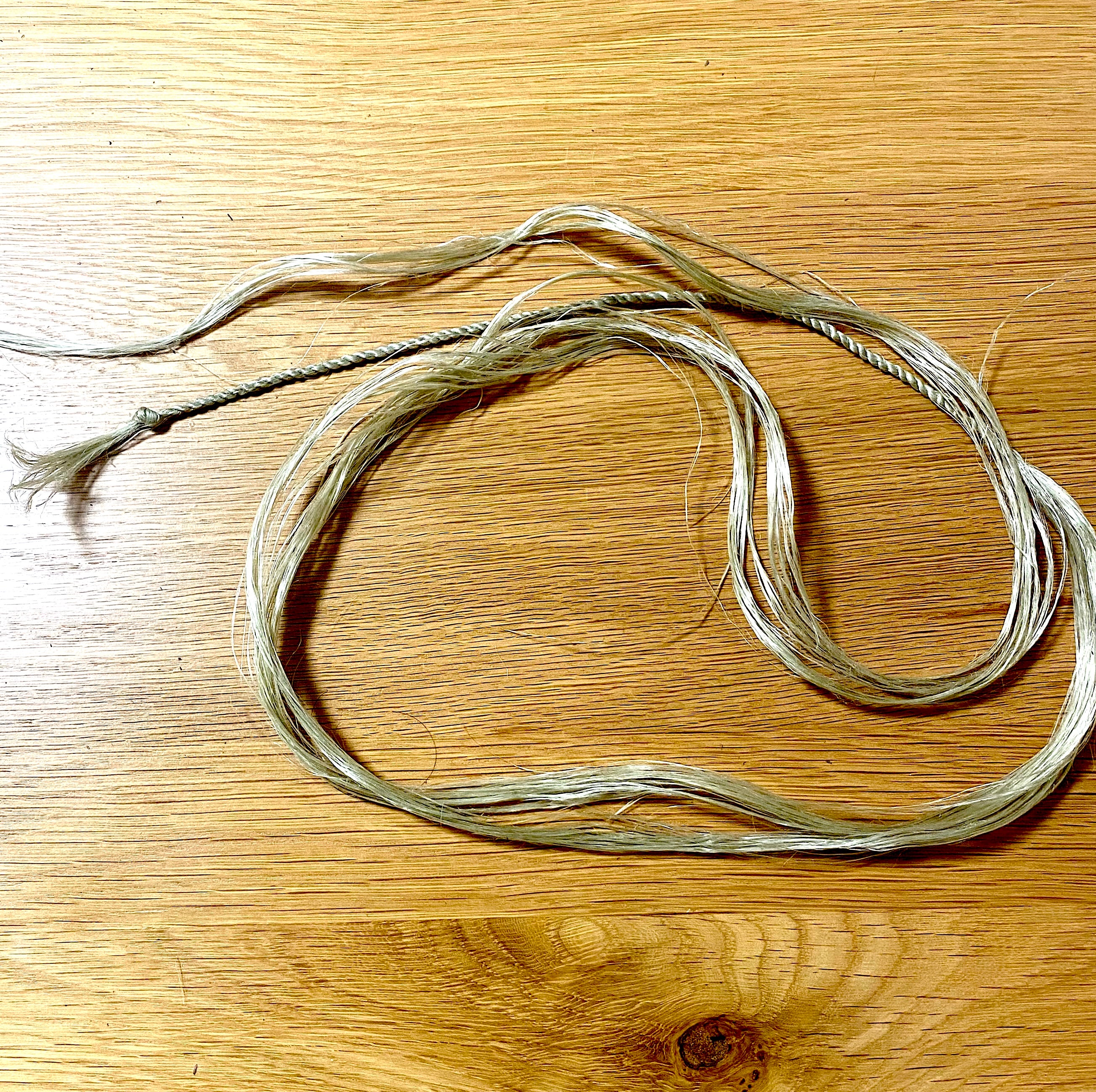
In this experience, you will work with Seima — purified hemp fibers prepared through traditional methods. These refined fibers are created through a meticulous process in which the outer bark of the hemp plant is separated, cleaned, and carefully combed until only the longest, most beautiful strands remain.

Using your hands, you will gently twist these fibers together, following a traditional technique that has been passed down for generations. The movement is simple yet meditative: as the fibers are twisted, the breath naturally slows and the mind becomes calm.

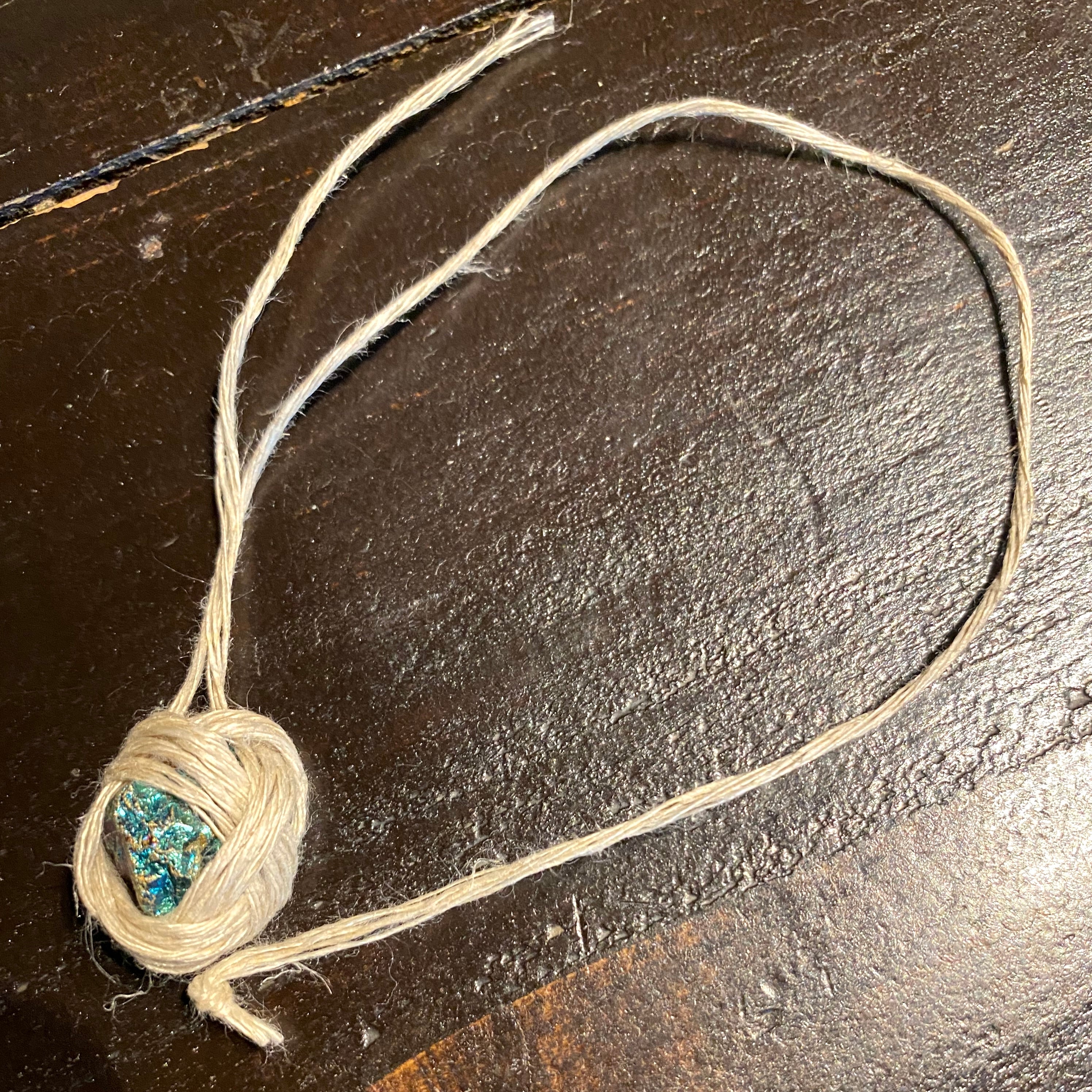
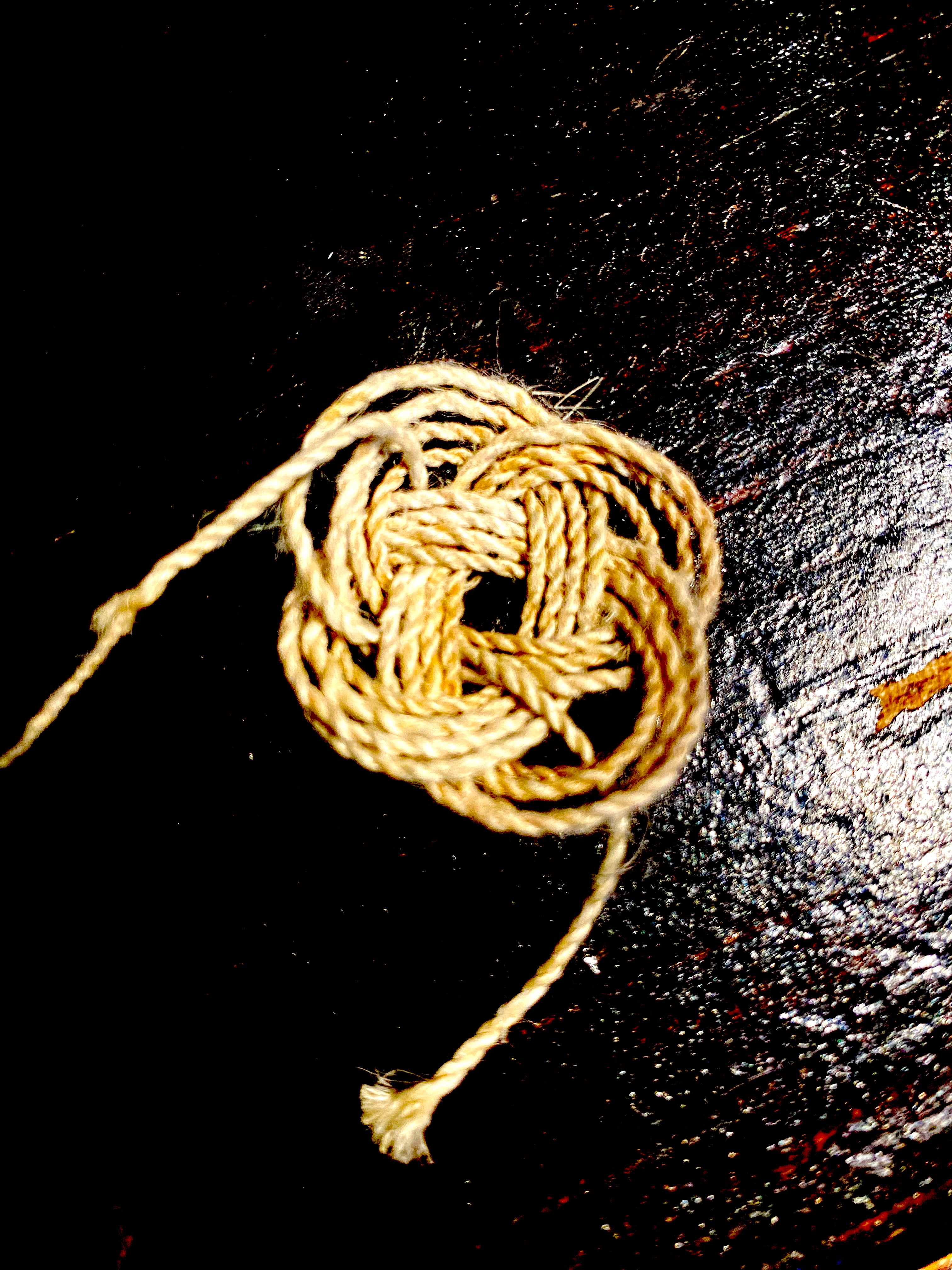
Gradually, the fibers take shape, forming a traditional Awaji-dama knot, a symbolic form often used in Japanese decorative and ceremonial craft.

More than a craft activity, this quiet process offers a rare opportunity to experience the relationship between natural materials, human touch, and spiritual awareness that lies at the heart of Japanese culture.

The Art of Crafting Sacred Hemp Accessories
The Art of Crafting Sacred Hemp Accessories Sale price¥0

A Living Memory of Sacred Craft

The ornament you create with your own hands becomes a quiet reminder of the time spent in this experience.

Each strand of hemp carries centuries of tradition, and through the act of twisting the fibers yourself, that lineage becomes personally meaningful.

Whenever you see or touch the finished piece, it recalls the calm atmosphere of the workshop and the moment you encountered the deeper spirit of Japanese culture.

More than a crafted object, it becomes a personal memory of place and time—something that quietly accompanies you long after the journey has ended.

Encountering the Spiritual Essence of Japan
Encountering the Spiritual Essence of Japan

Meditation Through the Hands
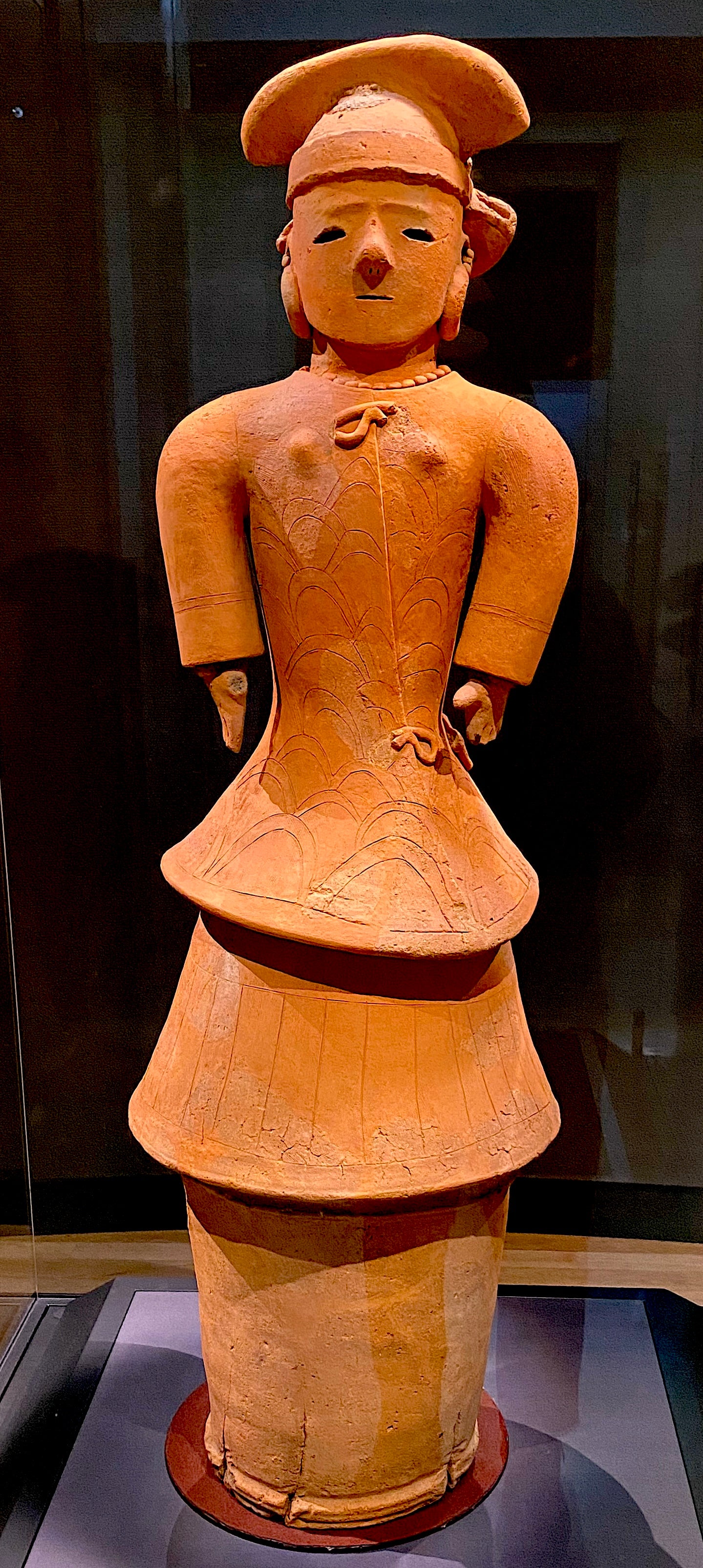
The act of twisting hemp fibers is gentle, repetitive, and deeply calming.

As the hands move slowly and the fibers align, breathing naturally settles and attention becomes focused on the present moment.

This quiet concentration creates a state similar to meditation, allowing the mind to release tension while the body finds a natural rhythm.

By the time the ornament is complete, many participants find themselves in a state of surprising calm — a quiet clarity that remains long after the experience has ended.

Jōmon Period (c. 14,000 BCE – 400 BCE) The Earliest Relationship Between People and Hemp
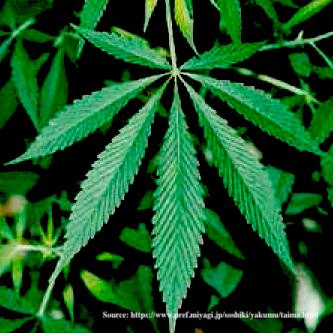
Archaeological evidence shows that hemp has been
used in Japan for more than twelve thousand years.
One of the oldest discoveries is a hemp rope unearthed at the Torihama Shell
Mound in Fukui Prefecture, dating to the early Jōmon period. Hemp seeds have
also been found at the Okinoshima archaeological site in Chiba, indicating that
people were already cultivating the plant and using it for both food and fiber.
These discoveries reveal that hemp was one of the earliest plant materials
integrated into daily life in Japan, supporting clothing, tools, and basic
necessities.


Yayoi to Kofun Period (400 BCE – 600 CE) The Expansion of Hemp Culture
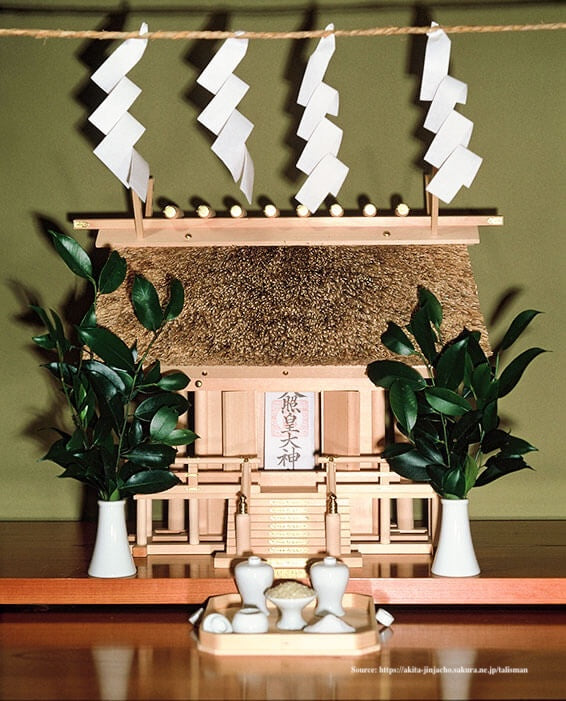
Ancient Chinese historical texts describing Japan during the third century mention that people cultivated rice and hemp while also raising silkworms and producing woven fabrics.

These accounts show that hemp stood alongside rice and silk as one of the most essential materials of early Japanese society.

Used for clothing, rope, and everyday tools, hemp became deeply integrated into both economic life and cultural tradition.

Asuka to Nara Period (592 – 794) Hemp as a Sacred Plant
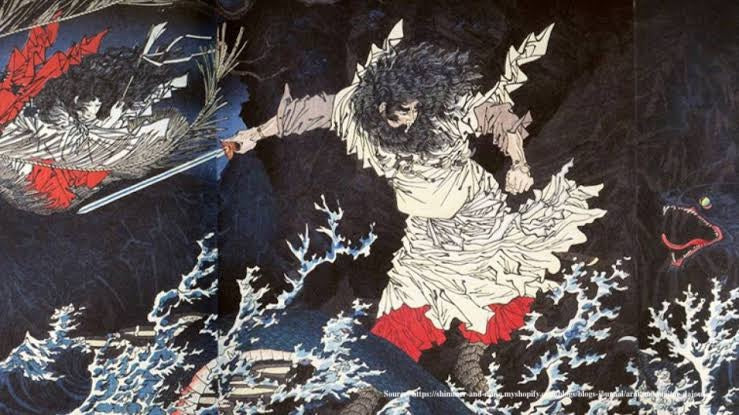
By the 7th and 8th centuries, hemp had taken on an important role in spiritual life as well.

The Manyōshū, Japan’s oldest anthology of poetry, includes numerous verses describing hemp harvesting, spinning hemp thread, and weaving hemp cloth.

Sacred uses of hemp also appear in historical texts describing Shinto ritua practice. Hemp fibers were used to create ritual paper streamers, shrine ropes, ceremonial garments, and purification tools.

Because of its perceived ability to dispel impurity, hemp became associated with spiritual cleansing and protection.

Heian to Edo Period (794 – 1868) Imperial Ritual and Sacred Textiles

Within imperial ceremonies, hemp cloth held deep symbolic meaning.

The plant’s strong vitality led to its association with the spiritual strength of the imperial lineage. Hemp textiles were woven for sacred garments used in court rituals, continuing traditions that date back many centuries.

Even today, during the Daijōsai, the once-in-a-reign
enthronement ritual of the Emperor of Japan, sacred hemp cloth is presented alongside silk as an offering within the most important ceremonial spaces.

The Spread of Hemp Cultivation in Japan
Historical
records suggest that ancient craft communities known as the Imbe clan played a
central role in spreading hemp cultivation throughout Japan.


Traveling by sea from what is now Tokushima, they introduced hemp farming and
weaving techniques to regions such as present-day Chiba and Tochigi.


The ancient name of Chiba Province, Fusa-no-kuni, is believed to
derive from a word associated with hemp, reflecting how deeply the plant was
tied to the region’s identity.


Even today, Shinto shrines continue to use hemp fibers to create ceremonial
ropes and ritual ornaments, preserving a tradition that stretches back
thousands of years.

Hemp as a Plant

The word “asa,” often translated as hemp, does not refer to a single species but to a broader category of fiber plants used throughout the world.

Among them, hemp (Cannabis sativa) has been especially significant in Japan. Cultivated since prehistoric times, it supported clothing, food, shelter, and ritual life.

The plant grows remarkably quickly, reaching three to four meters in height within roughly one hundred days. Its fibers possess a natural golden hue and combine strength with flexibility, while also offering antibacterial properties and excellent moisture absorption.

Nearly every part of the plant can be utilized. Fibers become textiles, rope, and paper. The woody core has been used in traditional fire rituals and flower arrangement. Seeds, known internationally as hemp seeds, are valued for their rich nutritional profile and are widely consumed as a modern superfood.

In Japan, hemp has long been associated with sacred practice. Shrine ropes, ritual wands, and ceremonial decorations are traditionally made from hemp fibers, reflecting the plant’s enduring spiritual significance.
________________________________________

From Hemp Plant to Sacred Fiber

Seima, the refined hemp used in this workshop, is created through a long and careful process.

After the plants are harvested in midsummer, the stalks are bundled and fermented in water or steam, allowing the outer fibers to separate from the woody core. The fibers are then stripped, cleaned, softened with steam, and repeatedly combed to remove impurities.

Through this labor-intensive refinement, only the longest and most beautiful fibers remain—forming the radiant golden strands known as Seima.
________________________________________

The Experience: Twisting Sacred Fiber

These purified fibers have traditionally been used to create shrine ropes, ceremonial ornaments, and sacred garments.

In this workshop, you will work directly with these luminous fibers, gently twisting them together by hand while learning a traditional technique.

The slow rhythm of the process naturally steadies the breath and quiets the mind.

Finally, the fibers are shaped into an Awaji-dama knot, a traditional decorative form symbolizing connection and continuity.

What emerges is not simply a handcrafted object, but a quiet encounter with the natural materials and spiritual sensibility that have shaped Japanese culture for thousands of years.