Skip to content

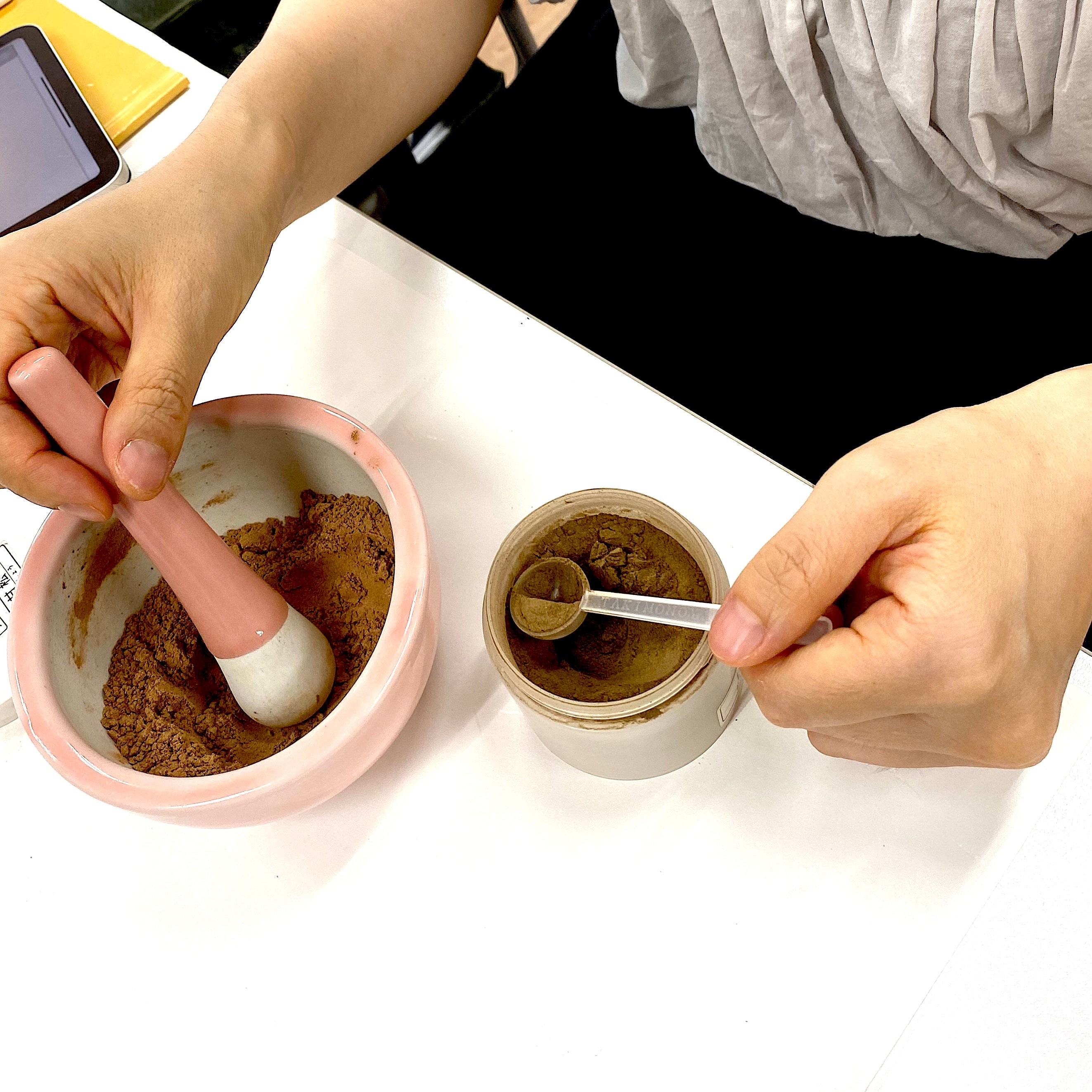
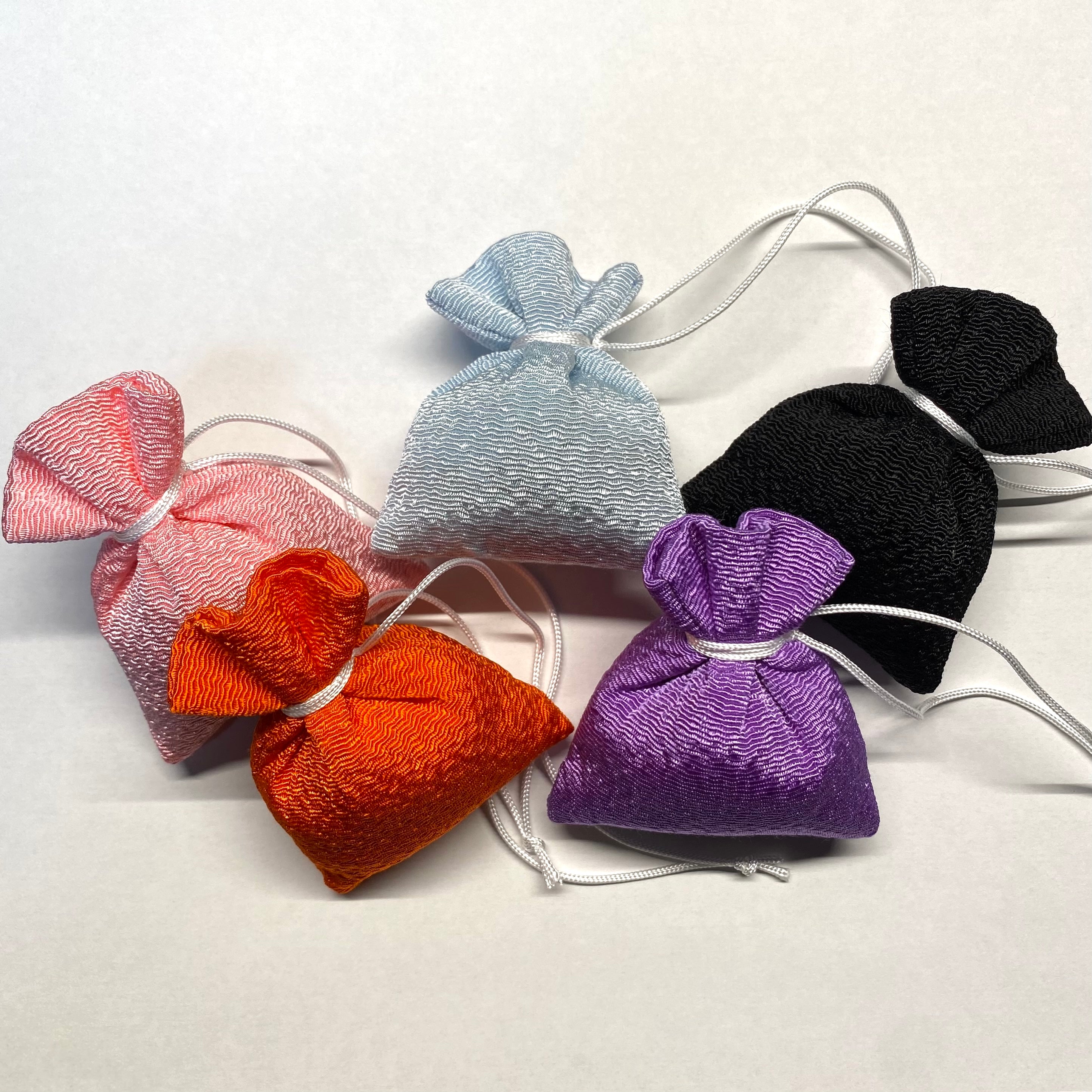
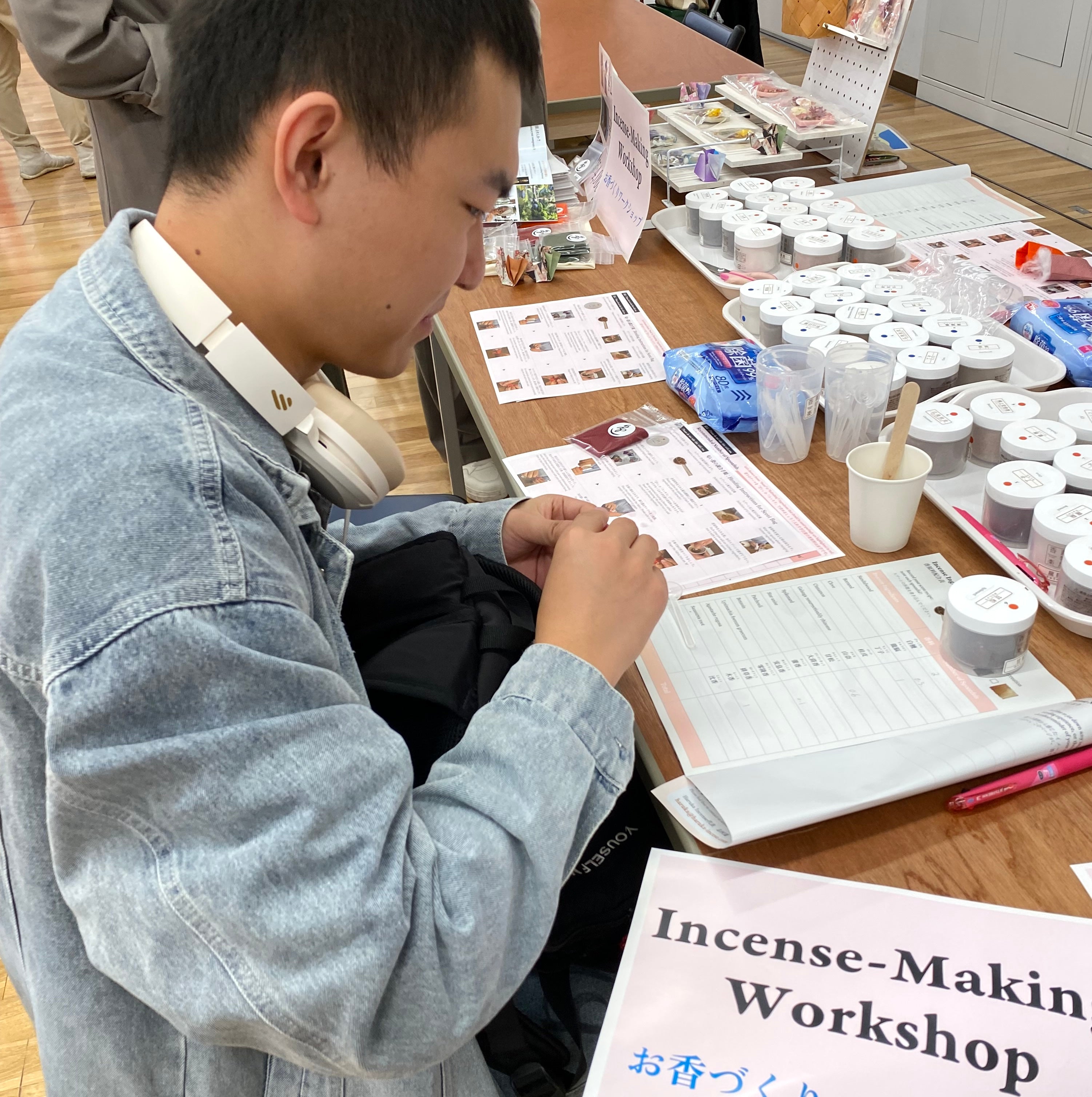
A completely original fragrance blended from the finest aromatic ingredients. Sew a chirimen silk pouch with needle and thread, and create a one-of-a-kind scented sachet from the very beginning in this authentic hands-on experience.

aaaa

Sandalwood, borneol, and clove—precious aromatics that once traveled across the ancient Silk Road before being quietly preserved in the imperial treasure repository of Nara, known as the Shōsōin. In this experience, you will compose your own fragrance using ingredients of the same tradition and character as those historical materials.

The essence of blending fragrance lies not in technique alone, but in the atmosphere you wish to create. Will your scent evoke a soft and enveloping world of warmth and sweetness, or a clear, crystalline atmosphere that sharpens the mind? Together, we will shape the character of the fragrance you wish to bring into being.

Distinct from incense sticks common in many parts of Asia, Japanese incense culture has developed over more than a thousand years around the refined art of blending powdered aromatics. Layer by layer, these natural ingredients are balanced with remarkable precision. The result is a fragrance that expresses quiet elegance even without flame—neither perfume nor incense in the conventional sense, but a subtle form of olfactory artistry.

Choosing, measuring, and blending—through these deliberate gestures, a fragrance emerges that exists nowhere else in the world.

Scent is the most primal of human senses. Unlike sight or sound, it reaches directly into the deepest regions of the brain, awakening memory and emotion without passing through rational thought. For this reason, in Japan fragrance is traditionally described not as something one smells, but something one “listens to.” In stillness, one attunes the senses to fragrance and enters a quiet dialogue with the inner self.

Another pleasure of fragrance lies in the ability to express oneself through a single scent. Through it, one may communicate something deeply personal to those we cherish.

Even when blended from the same ingredients, no two fragrances are ever the same. What emerges is not merely technique, but the reflection of one’s memories, sensibility, and presence.

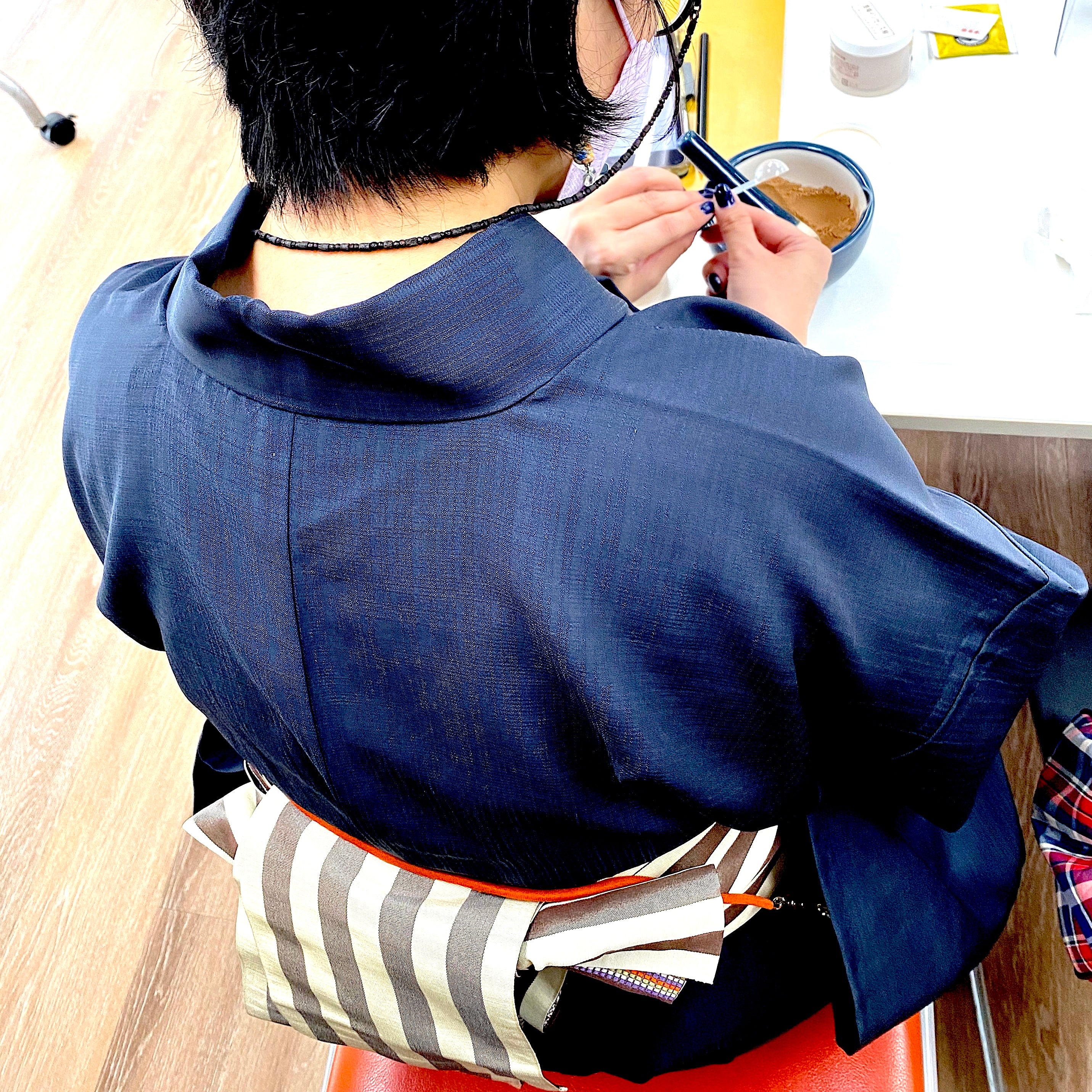
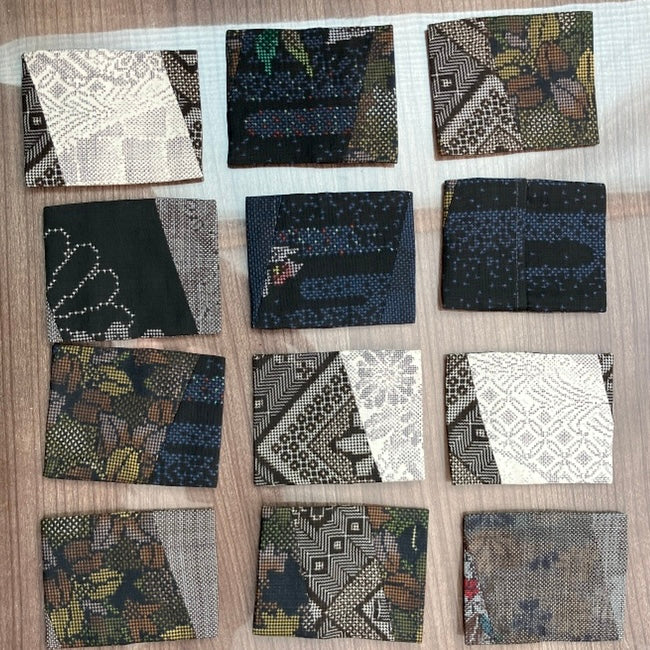
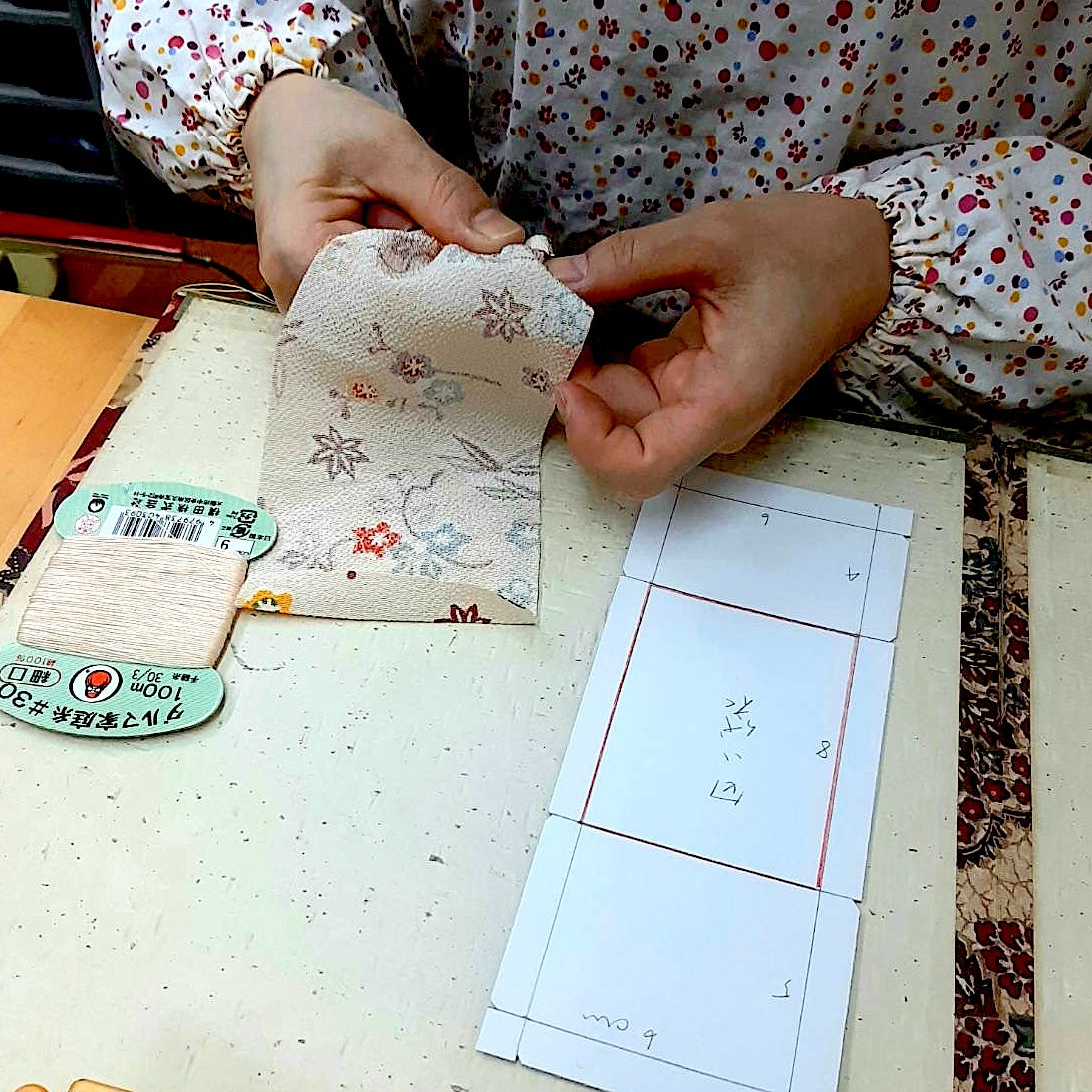
Finally, from an array of traditional Japanese silk crepe fabrics known as chirimen—renowned for their rich texture—you will select two pieces, carefully stitching them together by hand to create a small pouch. Within it, your blended fragrance will be gently enclosed.

Across time and culture, fragrance becomes a quiet bridge—an invitation to encounter a new expression of the human spirit.

aaaa
aaaa Sale price¥0

A Fragrance Memory Unlike Any Other

The fragrance you compose with your own hands becomes quietly intertwined with the moments of this journey, transforming into a subtle presence that evokes the spirit of Japanese culture within everyday life.

Each time you see the sachet, hold it gently in your hands, or pause to listen to its fragrance, the tranquil moments spent encountering the refined aesthetics of Japan return softly to mind.

More than a fragrance, it becomes a personal memory of place and time—your own “scented remembrance,” carrying the quiet resonance of this journey far beyond the moment itself.

An Encounter with the Essence of Japan
An Encounter with the Essence of Japan

Mindfulness and Quiet Purification
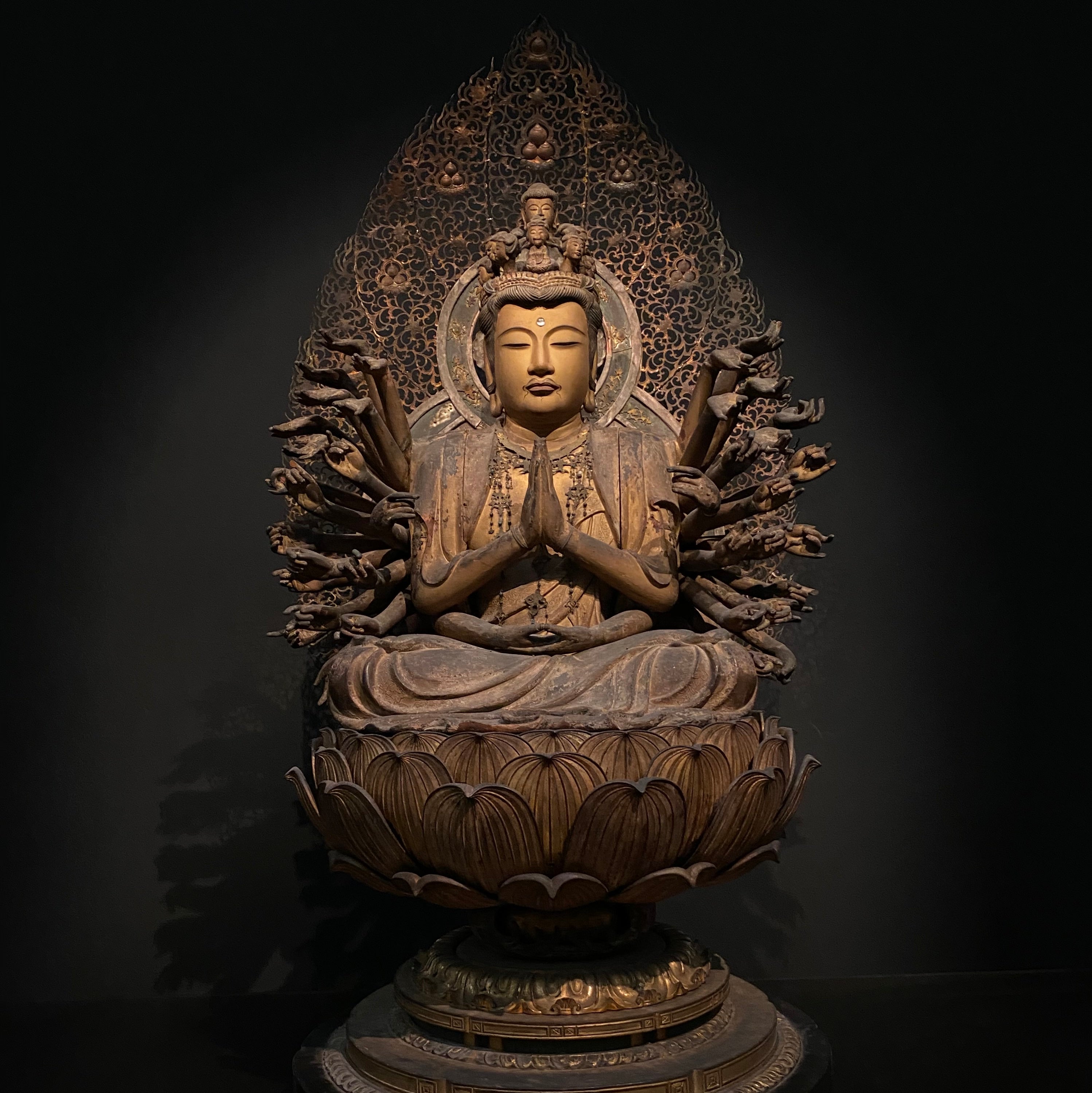
The process of crafting an incense sachet offers a gentle retreat from the noise of everyday life—a moment to bring awareness to breath, movement, and sensation.

As you weigh, blend, and refine natural aromatic ingredients such as sandalwood and clove, each gesture gradually settles the mind and brings inner balance.

The deep, layered fragrance fills not only the surrounding space but also invites a quiet clarity within.

When completed, the sachet becomes more than a crafted object. It becomes a small talisman of stillness, holding within it the memory of calm and harmony. Each time you pause to listen to its fragrance, it offers a subtle return to that inner quiet.

Asuka Period (538–710) – The Arrival of Fragrance in Japan
The history of incense in Japan begins with the arrival of Buddhist culture from the Asian continent. In the year 538, when Buddhism was formally introduced to Japan, aromatic materials and incense practices are believed to have arrived as well.

One of the earliest legends tells of a piece of fragrant wood drifting ashore on Awaji Island. When villagers burned it, an extraordinary fragrance filled the air. This moment is often remembered as the beginning of Japan’s enduring relationship with scent.

At first, incense was used primarily within Buddhist rituals. Through the practice known as shōkō—offering incense—aromatic wood was burned to create rising smoke, expressing reverence and devotion toward the Buddha.

Nara Period (710–794) – The Art of Blending Incense
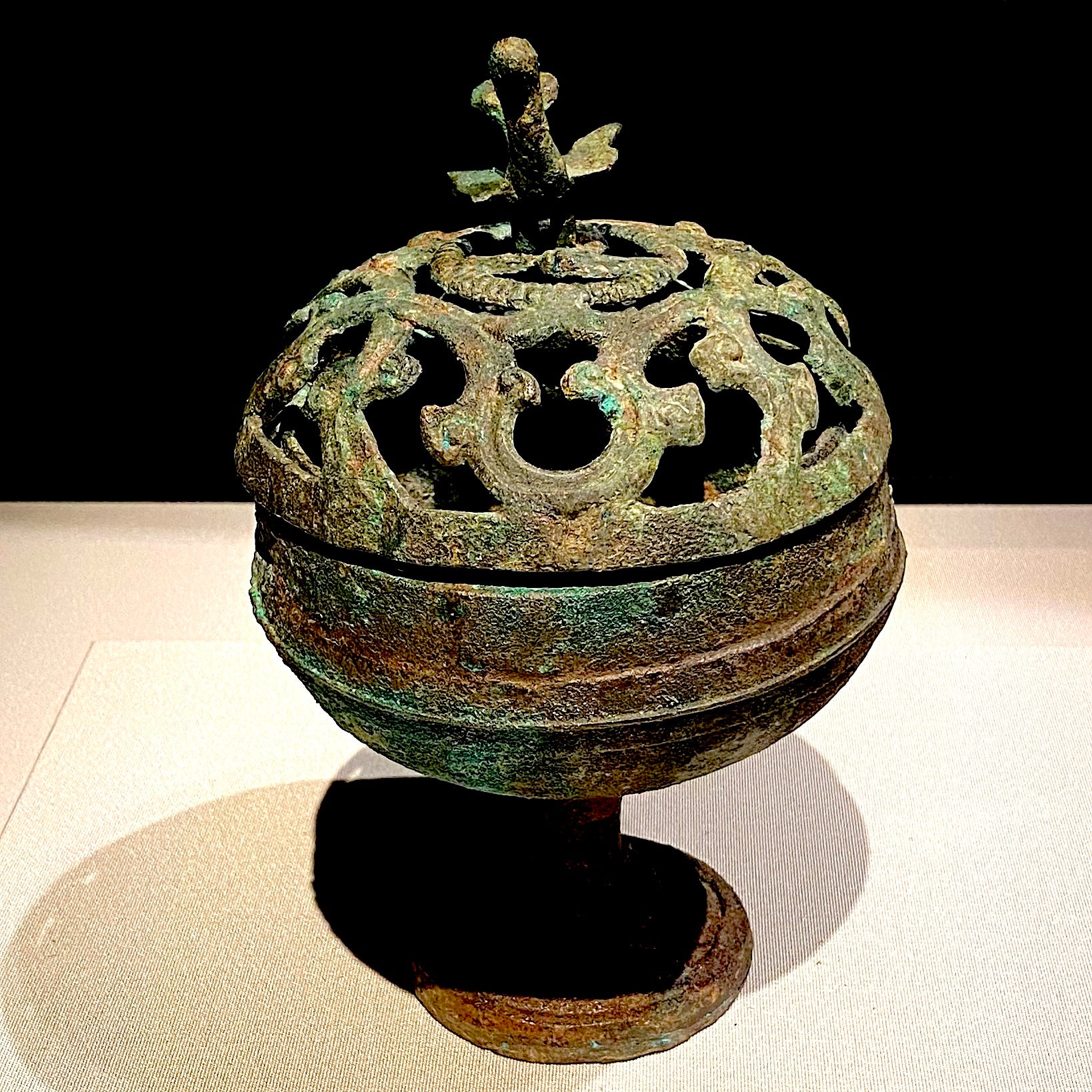
During the Nara period, the revered Buddhist monk Ganjin (Jianzhen) traveled from China to Japan during the reign of Emperor Shōmu. Along with sacred teachings, he brought many varieties of aromatic materials and introduced sophisticated methods of blending incense.

These techniques laid the foundation for what would become Japan’s own unique fragrance culture.

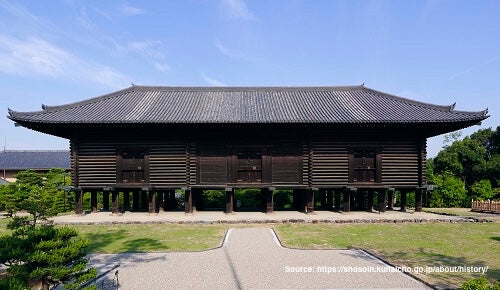
Within the Shōsōin, the imperial treasure repository in Nara, the oldest surviving Japanese incense sachet is preserved to this day. It offers a glimpse into how deeply the aristocracy of the time cherished fragrance.

The celebrated aromatics preserved there—sandalwood, borneol, and clove—had traveled across the Silk Road before reaching Japan, standing as remarkable evidence of early international cultural exchange.

During this period, incense also entered daily life, where it was used not only for religious purposes but also as protection against insects, to purify spaces, and to gently scent clothing and rooms.

Heian Period (794–1185) – The Aesthetics of Fragrance
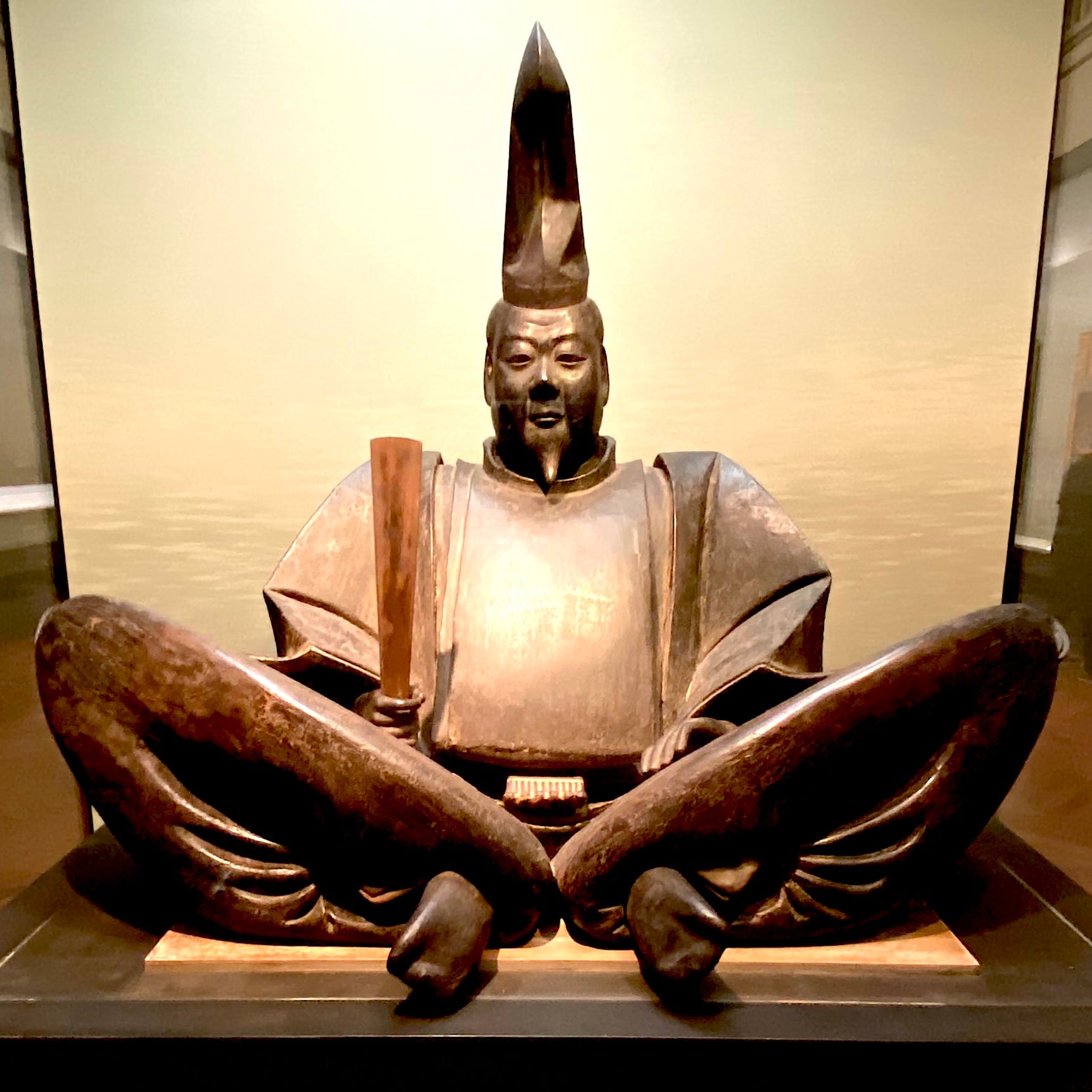
In the Heian period, fragrance became an essential element of aristocratic culture.

Noblemen and court ladies would scent the paper of their poetry before sending it to a beloved recipient, allowing fragrance to communicate refinement, sensitivity, and social standing beyond words.

Aristocrats blended their own fragrances and perfumed their robes using special tools, allowing scent to become part of their personal presence.

A practice known as takimono-awase—“fragrance competitions”—became particularly fashionable at court. Participants created their own incense blends, which were judged not only by scent but also by poetic names, presentation, and cultural sophistication.

Six classical fragrance compositions were especially celebrated, each associated with particular seasons and occasions, reflecting the refined seasonal sensibility at the heart of Japanese aesthetics.

Kamakura Period (1185–1333) – Incense and Zen Practice

During the Kamakura period, new Buddhist schools emerged that continue to shape Japanese spirituality today. With the introduction of Zen Buddhism, the practice of placing small pinches of incense into a censer became widespread.

Within Zen culture, fragrance came to support meditation and spiritual discipline, creating an atmosphere conducive to contemplation and clarity of mind.

Muromachi Period (1336–1573) – The Birth of Kōdō
In the late Muromachi period, the eighth shogun Ashikaga Yoshimasa established his Higashiyama villa in Kyoto—today known as Ginkaku-ji, the Silver Pavilion.

Within this cultural circle, alongside the development of the tea ceremony and flower arrangement, the appreciation of fragrance was elevated into a refined art known as Kōdō, often translated as “The Way of Incense.”

Like other Japanese arts of cultivation, Kōdō transforms the act of sensing fragrance into a contemplative practice—an elegant discipline of attention, awareness, and aesthetic appreciation.

Types of Aromatic Ingredients

Incense ingredients are derived from the
gifts of nature—such as tree trunks, bark, roots, and resins.

Below are the main aromatic materials used in this workshop.


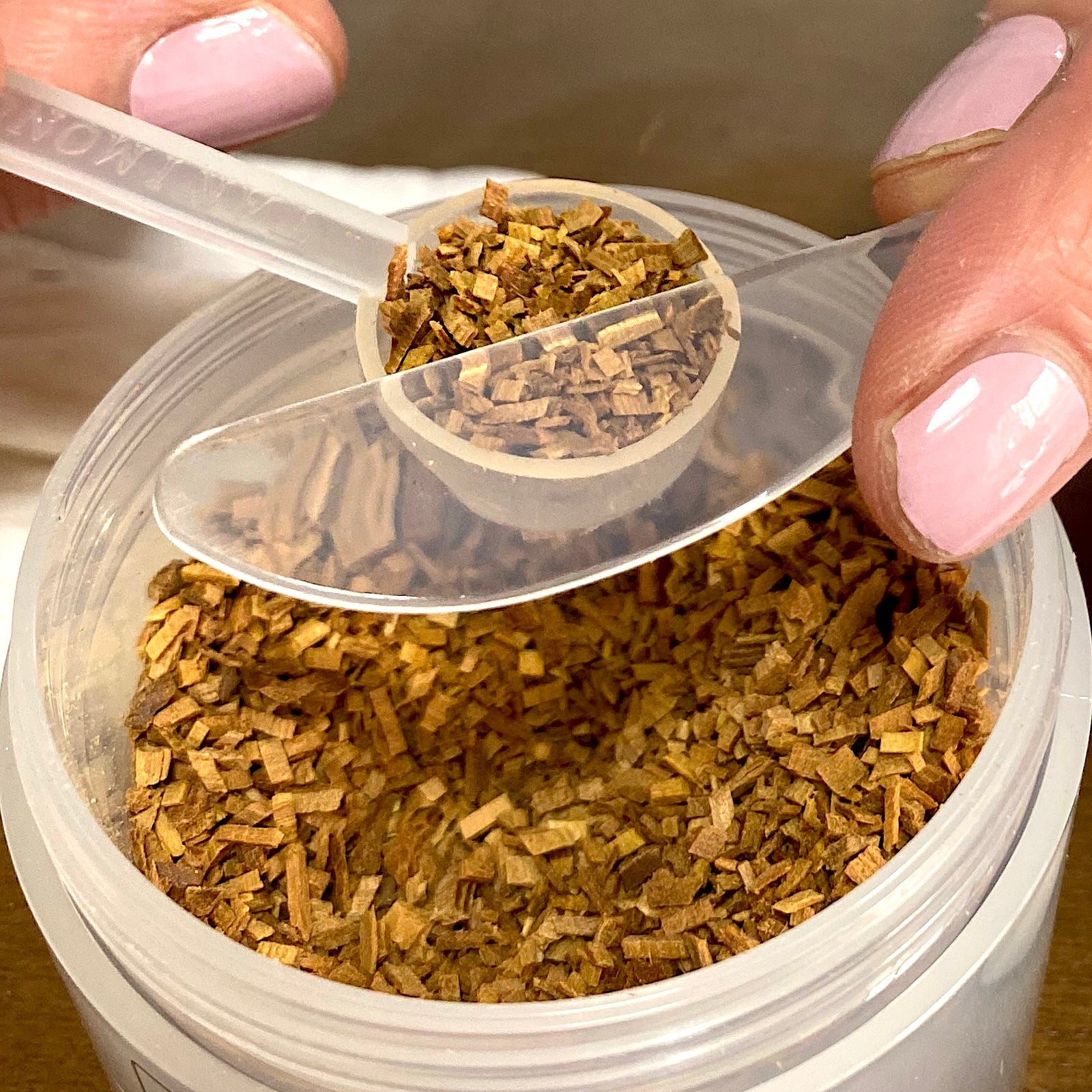
■ Sandalwood (Byakudan)

Almost no fragrance comes from the bark or
outer wood; only the heartwood is used.

It is widely used around the world, with the highest quality traditionally
sourced from Mysore, India.

Traditionally used as:

  • An insect repellent in daily life
  • A medicinal ingredient in eye drops, expectorants, and cardiac
    tonics

Fragrance:

A serene, deep, sweet woody aroma that calms the mind and is ideal for
meditation.


■ Borneol (Ryūnō)

Today, it is often derived from camphor
refined from camphor trees.

Historically valued as an insect repellent and used in medicines such as eye
drops, expectorants, and cardiac tonics.

Fragrance:

A fresh, cooling scent that clears the mind and enhances concentration.


■ Clove (Chōji)

A well-known aromatic ingredient also used
as a spice and in tobacco flavoring.

Historically used as:

  • An aromatic digestive medicine
  • A calming medicinal ingredient

Fragrance:

A warm, spicy, stimulating scent that activates energy.


■ Cinnamon (Keihi)

A familiar aromatic ingredient often used
in sweets and foods.

Introduced to Japan around the 7th century and used medicinally as a diaphoretic,
pain reliever, and aromatic digestive medicine.

Fragrance:

A sweet and spicy scent that warms the body and relaxes tension.


■ Spikenard (Kanshō)

A distinctive aromatic material with a
subtle animalic nuance.

Historically used as:

  • A remedy for headaches and digestive issues
  • An insect repellent

It is also used as a spice in Chinese and
Indian cuisine.

Fragrance:

A strong, earthy aroma that adds depth and lingering character to blends.


■ Galanga (Daikōryōkyō / Galangal
Root)

An essential spice in Chinese cuisine and
curry.

Historically used as:

  • A remedy for headaches and digestive issues
  • An insect repellent

Fragrance:

A fresh citrus-like aroma with strong spiciness, requiring delicate balance in
blending.


■ Star Anise (Hakkaku)

A representative spice widely used in Chinese
cuisine and curry.

Historically, the seeds were used as
medicine for colds and respiratory ailments.

Fragrance:

A refreshing scent combining citrus brightness and spice, frequently used in
scented sachet blends.


■ Patchouli (Kakkō)

The root is used as an aromatic material.

Traditionally used medicinally as a fever
reducer for colds and widely valued as a base note in perfumery.

Fragrance:

An earthy, musky scent with excellent longevity that adds depth to the overall
fragrance.


■ Benzoin (Ansokukō)

A resin collected by making incisions in
the tree bark.

Traditionally used medicinally for cough
relief and pain relief.

Fragrance:

A rich, sweet aroma reminiscent of vanilla, commonly used in incense to add
warm sweetness.


■ Sanna (Lysimachia foenum-graecum)

Traditionally valued for its insect-repelling
properties and used medicinally for pain relief and anti-inflammatory effects.

Fragrance:

A distinctive spicy scent that adds a unique accent to blends.


■ Agastache (Kakkō / Agastache rugosa)

Traditionally used medicinally to aid
digestion and relieve cold symptoms.

Fragrance:

A refreshing mint-like aroma that brings lightness and freshness.


■ Saussurea Root (Mokkō)

Traditionally used in medicine to support
digestion and regulate the flow of energy (qi).

Fragrance:

A deep woody aroma that stabilizes and grounds the overall fragrance blend.