Skip to content

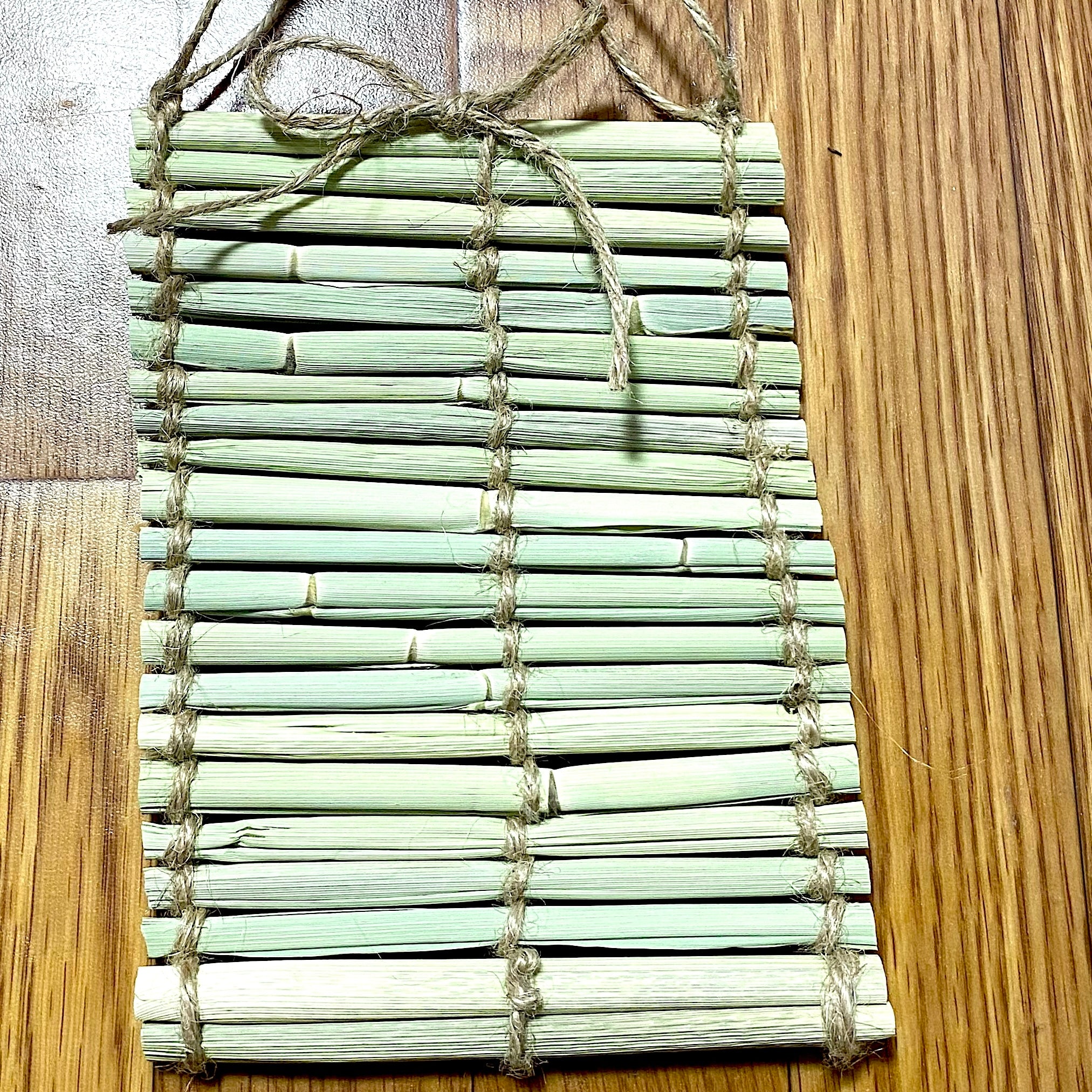
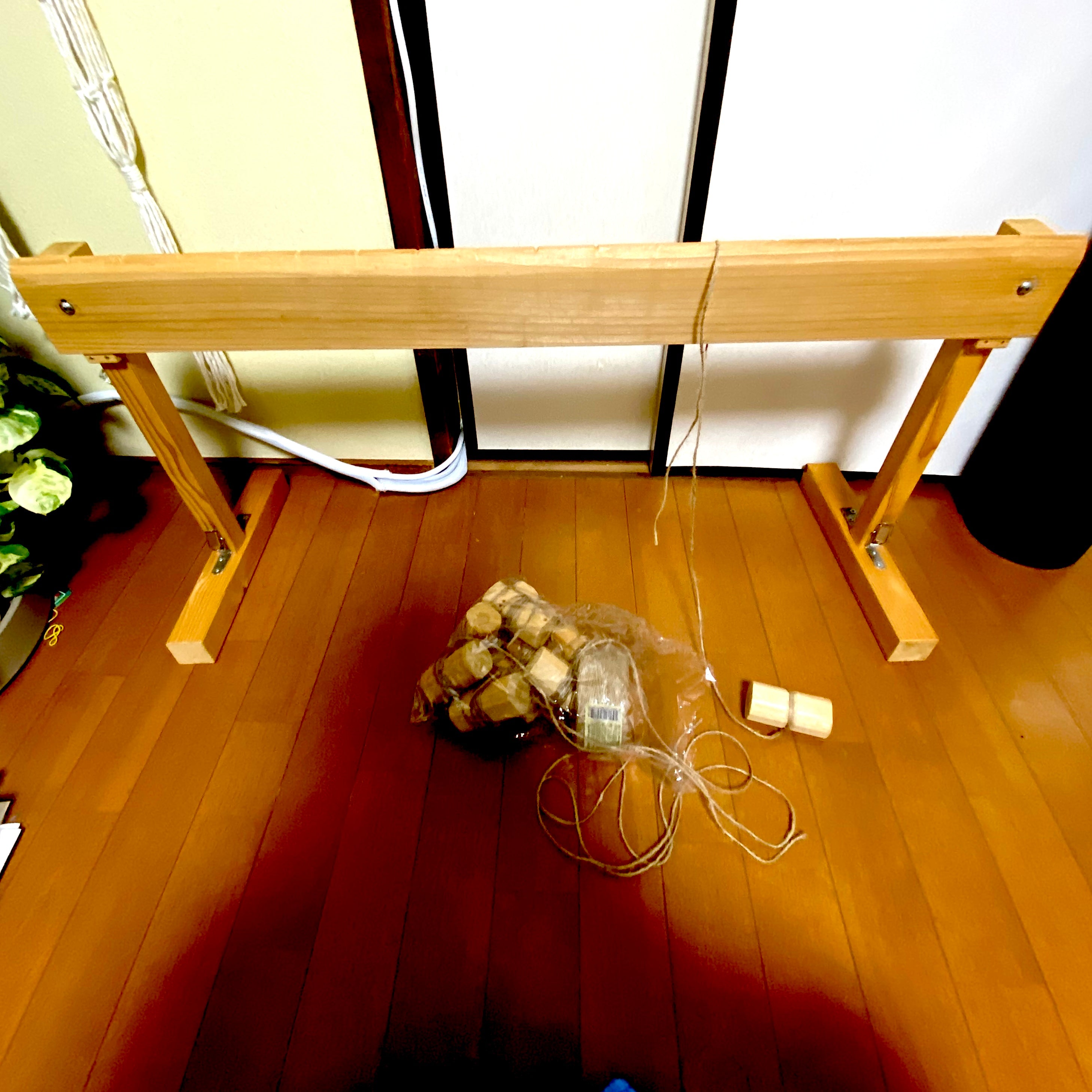
Weave a traditional Makomo Goza, crafted from a sacred Japanese plant long associated with purification and ritual life. Through the quiet rhythm of hand weaving, create a natural mat that reflects centuries of Japanese craftsmanship and spiritual tradition.

Malard Mat Weaving

Makomo is a sacred aquatic plant that has grown along the waterways of Japan for centuries.

Known botanically as Zizania latifolia, this tall reed-like grass has long been associated with purification and spiritual protection in both Shinto tradition and Buddhist lore. Growing in clear wetlands and riverbanks, makomo came to symbolize the quiet cleansing power of nature itself.

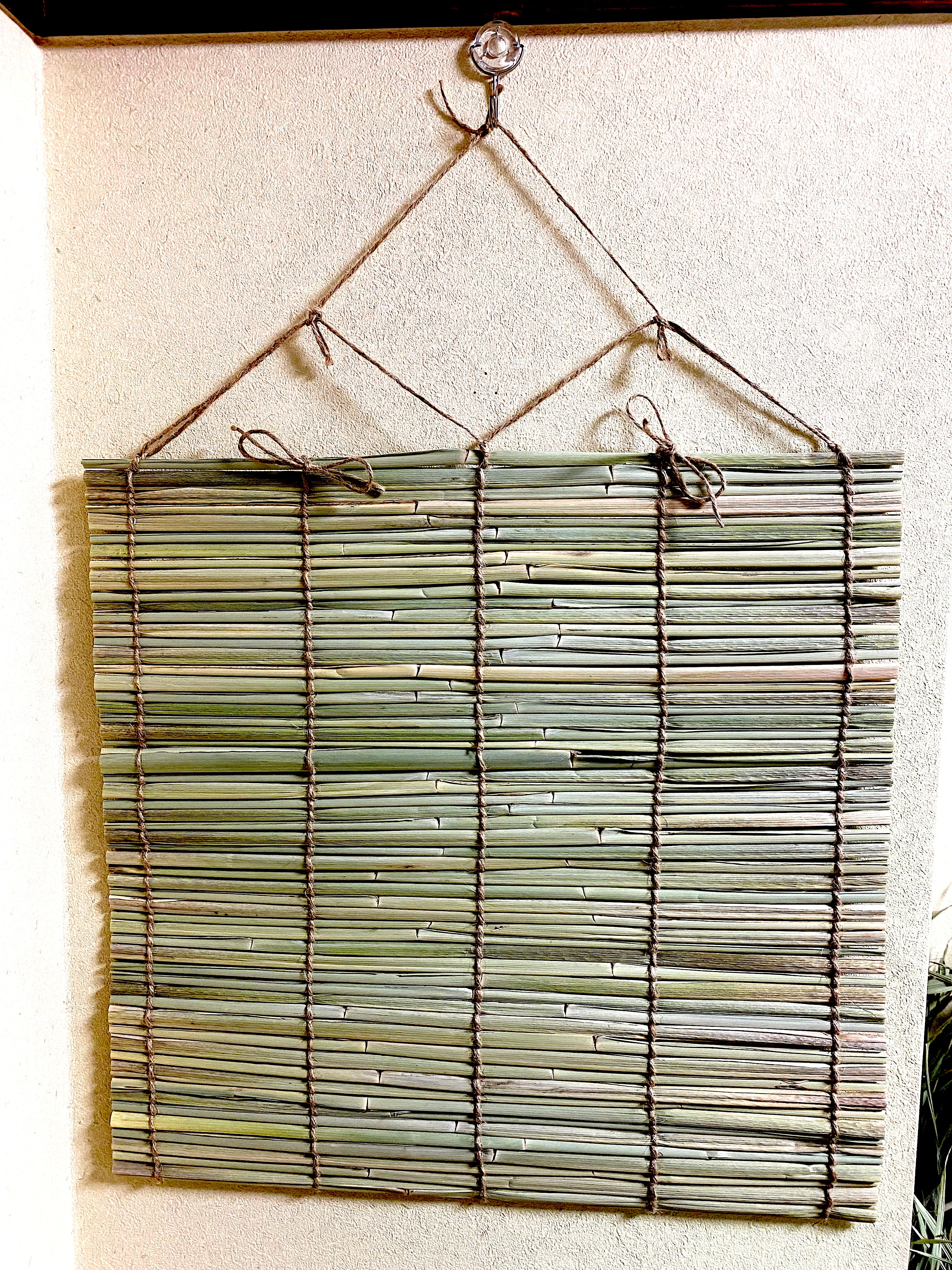
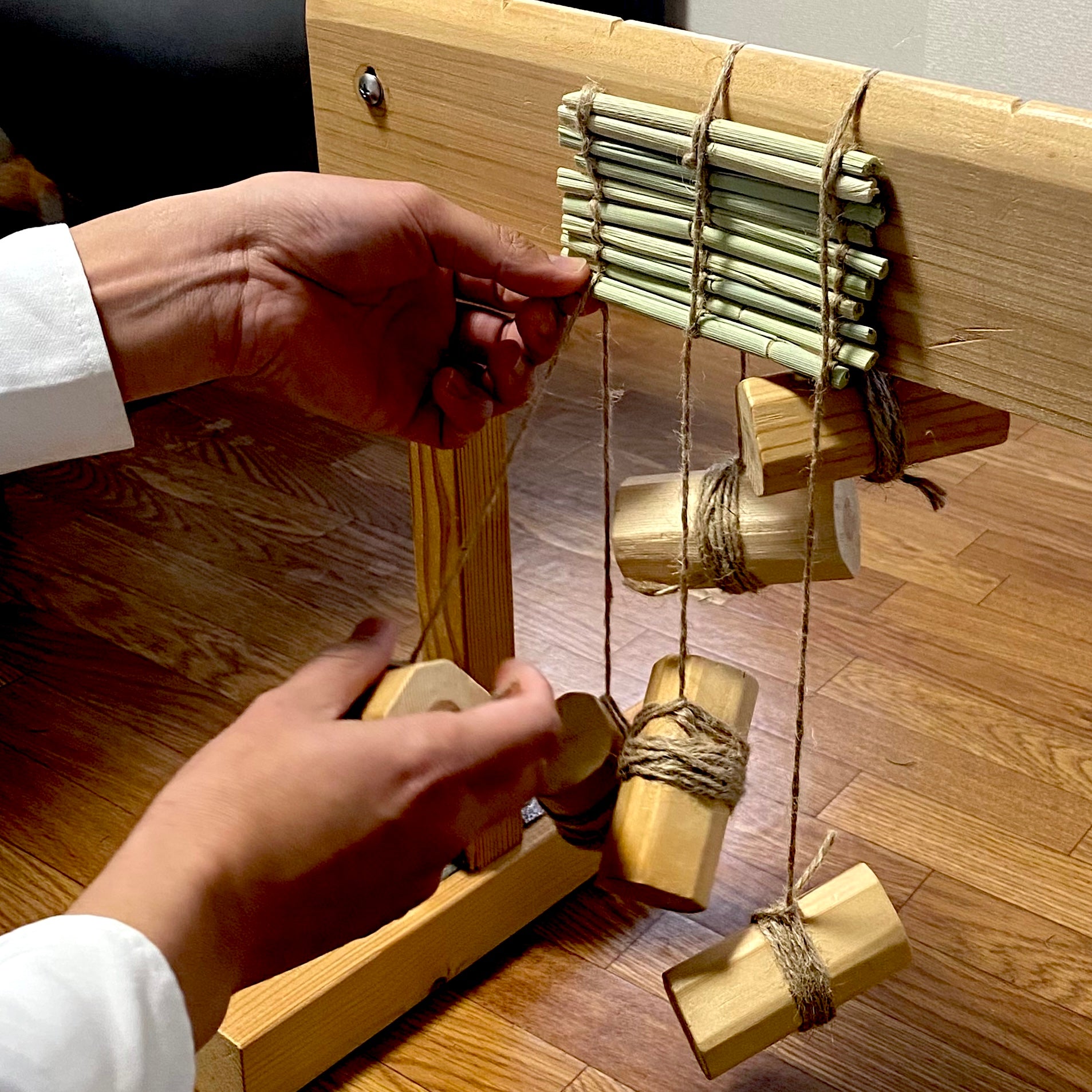
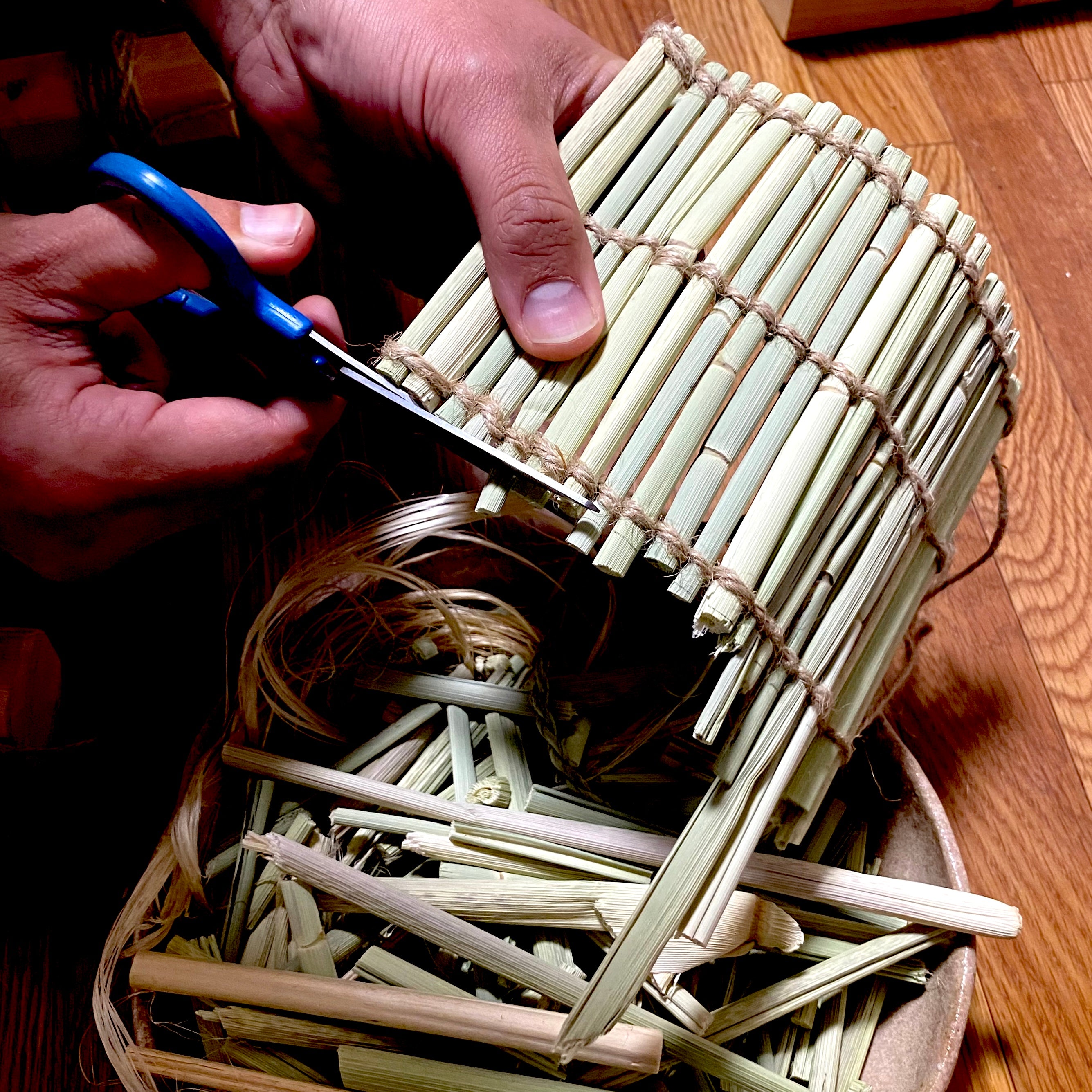
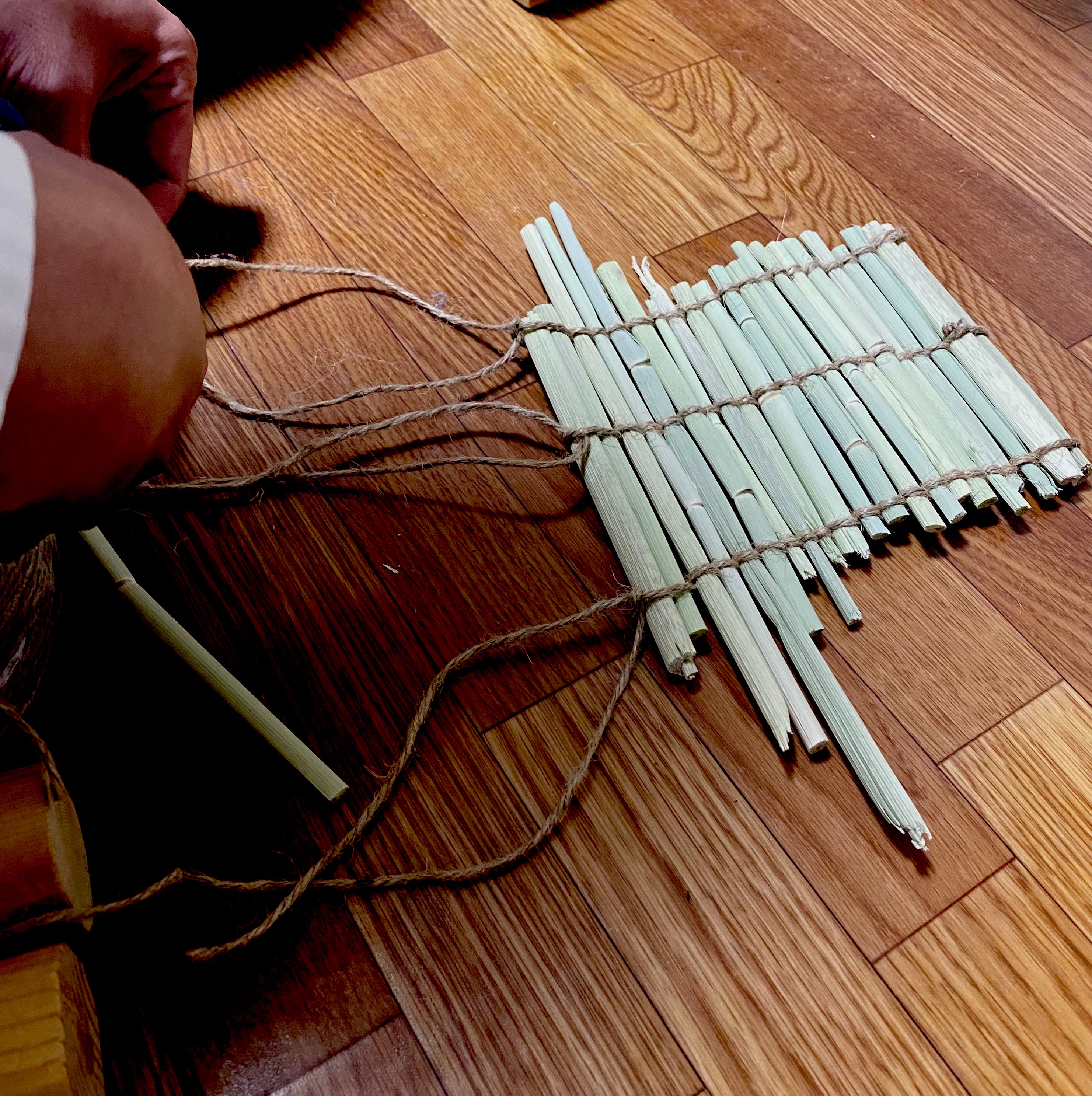
In this workshop, participants learn the traditional technique of weaving makomo goza—a hand-woven mat made from dried makomo leaves. These mats have historically been used in shrines, rituals, and everyday life as natural flooring, offering a breathable and resilient surface deeply connected to Japan’s landscape.

The weaving process is calm and rhythmic. As the fibers pass through the hands, the body naturally settles into a gentle tempo, allowing attention to focus fully on the material and the movement.

Through this simple yet refined craft, participants experience the Japanese sensibility of working in harmony with natural materials—an aesthetic where beauty emerges through patience, balance, and touch.

The finished piece becomes more than a crafted object. It carries the quiet atmosphere of the moment in which it was made.

Malard Mat Weaving
Malard Mat Weaving Sale price¥0

A Living Memory of Your Journey

The makomo mat you weave by hand becomes a quiet companion to the memory of this experience.

Each strand reflects the calm concentration of the moment in which it was created. Whenever you see or touch it, the atmosphere of that time—its stillness, its focus—gently returns.

More than a handcrafted object, it becomes a personal memory of place and time: a subtle reminder of the moment you encountered the deeper spirit of Japanese
culture.

Encountering the Essence of Japanese Aesthetics
Encountering the Essence of Japanese Aesthetics

Mindfulness and Natural Purification
The weaving of makomo offers a rare pause from the noise of daily life.

As the hands repeat the gentle rhythm of the craft, breathing naturally slows and the mind becomes calm. Attention shifts from thought to sensation—the texture of the fibers, the movement of the hands, the gradual mergence of form.

Makomo itself has long been associated with purification in Japanese tradition, both symbolically and environmentally. Working with this plant creates a quiet sense of clarity and balance.

The finished mat becomes a small object imbued with that stillness—a reminder of the calm state discovered during the process.

Asuka Period (538–710) The Sacred Origins of Makomo
Makomo appears in both Japanese mythology and Buddhist tradition as a sacred plant.

In Buddhist stories, it is said that the Buddha placed the sick upon a mat of makomo while tending to them, suggesting that the plant was believed to possess purifying and healing qualities.

Another legend tells of the Buddha feeding makomo leaves to an elephant he deeply cherished.

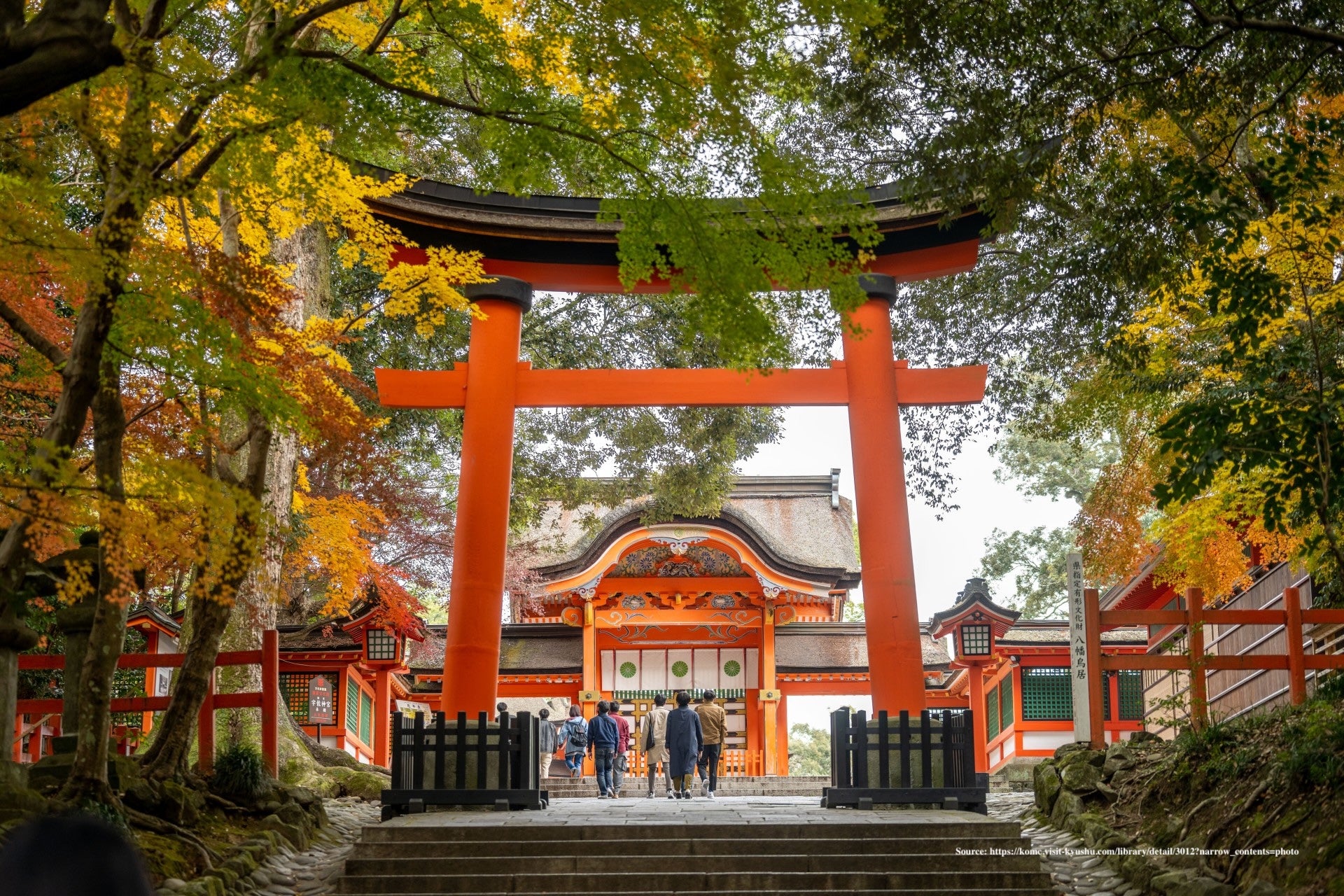
Within Shinto tradition, makomo also holds ceremonial importance. At Izumo Taisha Shrine, one of Japan’s most ancient shrines, makomo is used during the Kami-Mukae Festival, a ritual welcoming the countless deities believed to gather there each year according to Japanese
mythology.

In this context, makomo is regarded as a sacred grass used to receive the presence of the divine.

The Makomo Ritual of Izumo Taisha

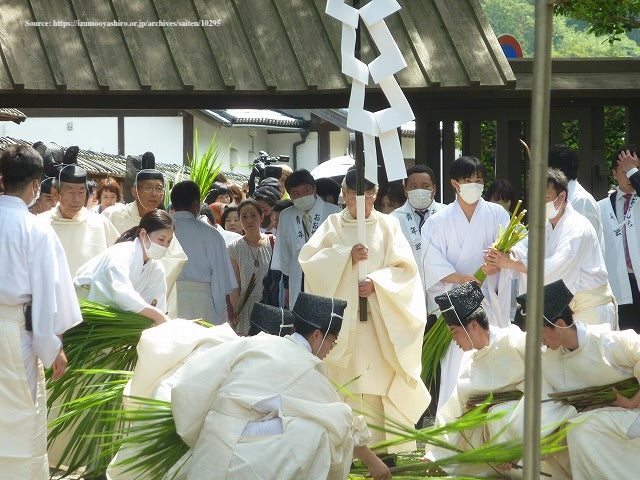
Every year on June 1st, Izumo Taisha Shrine holds a ceremony known as the Suzumidono Festival, also called the Makomo Ritual.

The ceremony commemorates a story in which the deity Ōkuninushi, the principal god of the shrine, changed into summer garments and rested in the forests of Izumo during the heat of the season.

During the ritual:

1. The chief priest walks from the sacred forest to a purification well within the shrine grounds.
2. The path is covered with sand from Inasa Beach and layers of makomo grass.
3. The priest proceeds across this sacred path.

The makomo touched during the ceremony is believed to hold spiritual power. Traditionally, pieces of the grass are taken home and placed in household shrines or used in baths as a blessing for health and protection.

Makomo Mats in Sacred Ritual

During Shinto rituals, the white ritual wand (shirohei) carried by the kuni-no-miyatsuko is believed to house the deity who has descended from the forests of Izumo Taisha.As the deity is ceremonially escorted to the Mitarai Well, makomo, revered as a sacred plant, together with purifying sand, is spread along the path so that the deity does not touch the impure ground. In this way, impurities are cleansed, and the deity proceeds along a purified path.The word “komo” (mat) is sometimes associated with the verb “komoru” (to dwell or reside), suggesting a place where a deity may abide. For this reason, it has long been used as a sacred implement in shrines throughout Japan.Komo (komo, mushiro): A komo is a mat woven from makomo grass.It is placed beneath the sacred offerings (shinsen) presented to the deitiesDuring ground-purification ceremonies (jichinsai), it is laid beneath the altarBy laying a komo mat, the space becomes ritually purified, creating a sacred place where offerings to the deities may be respectfully placed.

Makomo in Shrines Across Japan

Makomo continues to appear in sacred contexts throughout Japan.

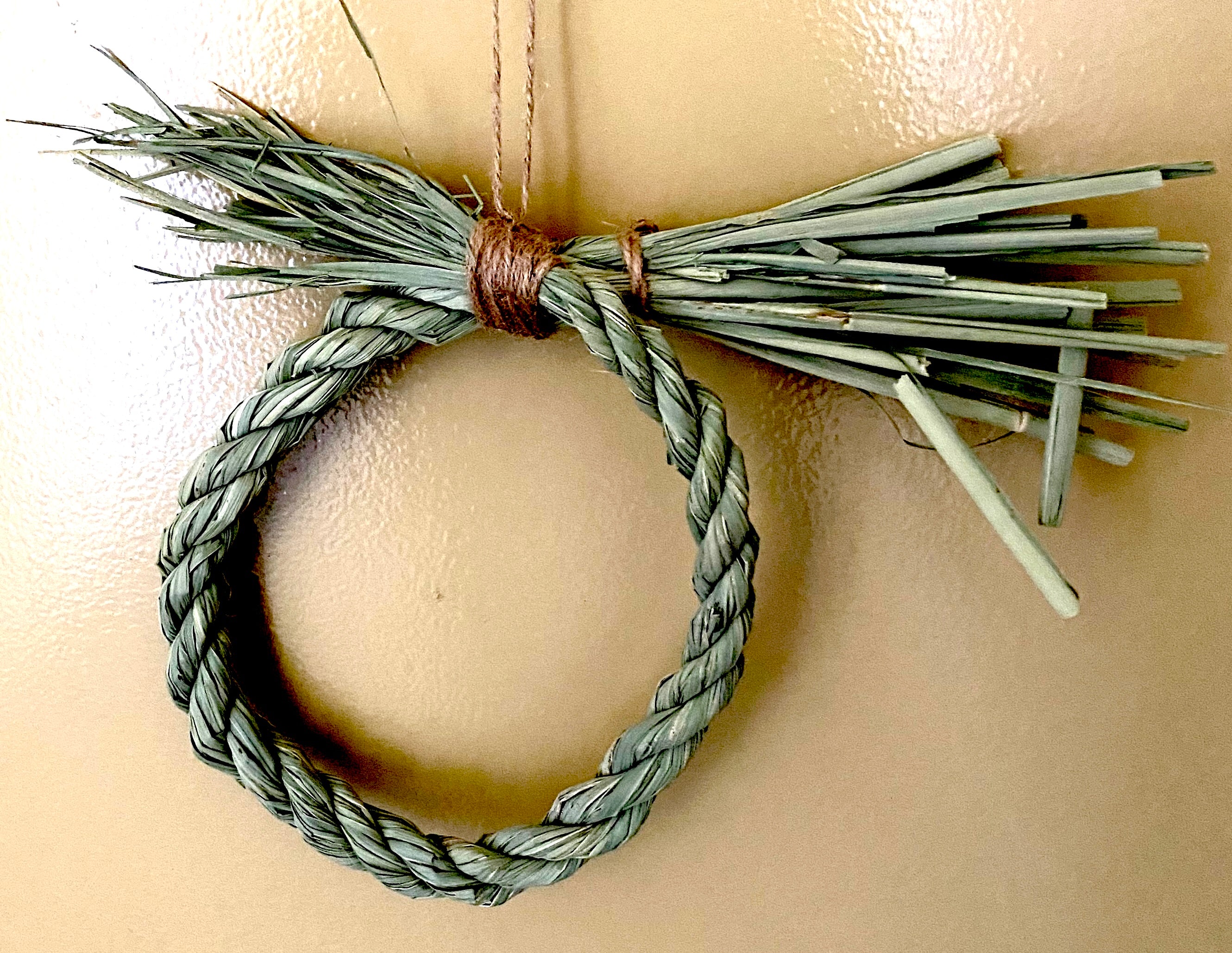
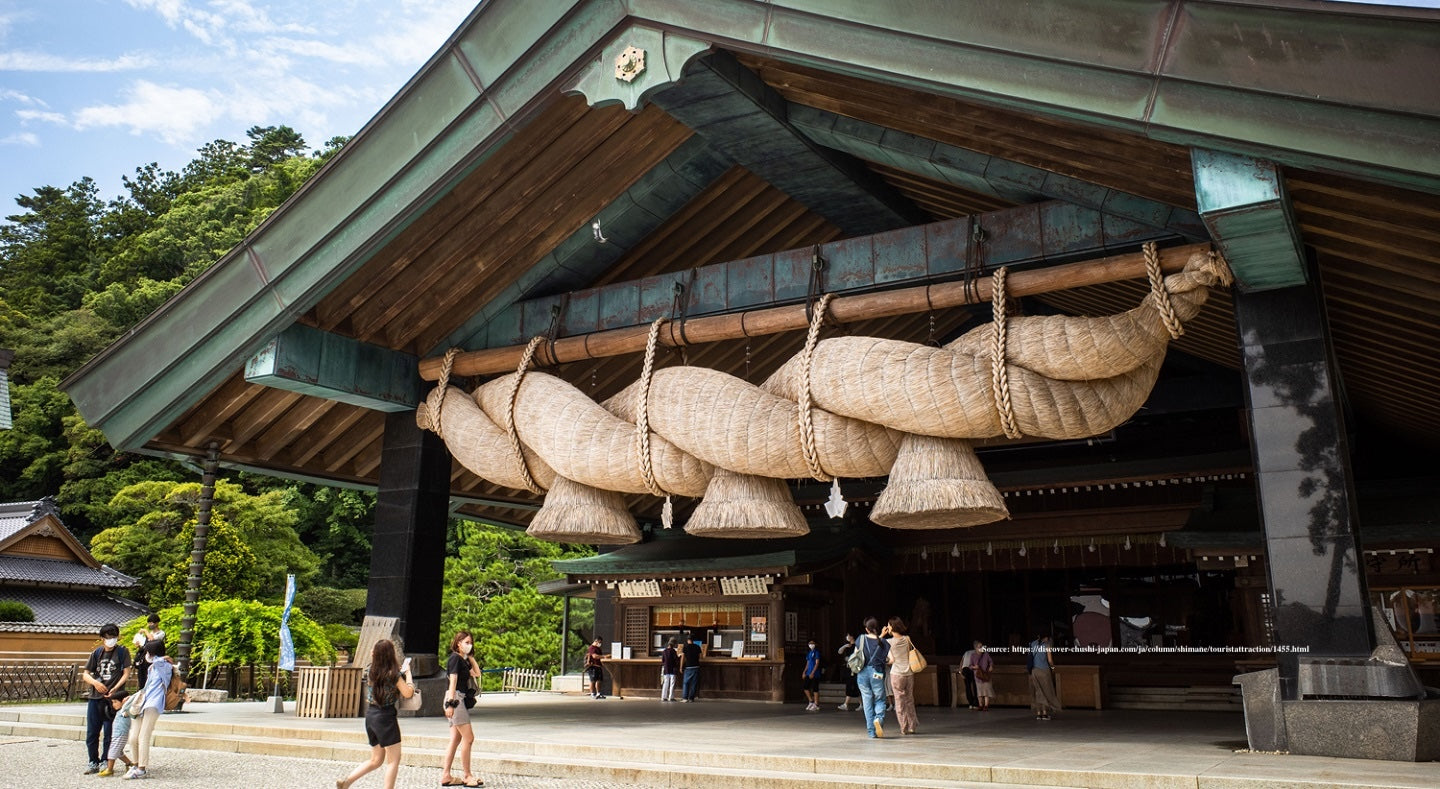
At Izumo Taisha, makomo is incorporated into sacred shrine ropes, while at Usa Shrine—one of Japan’s most ancient Shinto sanctuaries—the deity is traditionally associated with a pillow made of makomo.

These examples reflect the plant’s longstanding connection to spiritual protection and purification.

Makomo and the Imperial Tradition

Makomo has also appeared in moments of great historical significance.

When Emperor Shōwa (Hirohito) passed away in 1989, makomo grass was placed inside the imperial coffin and used to wrap the body before burial.

This rare ceremonial use reflects how the plant has long been regarded in Japan as a sacred material connected to both life and death.

The Makomo Plant

Makomo (Zizania latifolia) is a perennial grass that grows naturally in the wetlands and riversides of Japan.

For centuries it has been closely connected to daily life, ritual practice, and environmental balance. Because it grows in clean water and helps maintain ecological health, makomo has long symbolized natural purification.

Modern environmental research has also drawn attention to the plant’s ecological benefits. Makomo roots absorb nitrogen and phosphorus from water, helping improve water quality. For this reason, it has been used in ecological restoration projects around lakes such as Kasumigaura and Lake Biwa.

Traditional knowledge also speaks of microorganisms living around makomo roots that help break down organic matter. Because of this, powdered makomo root was historically added to bathwater to keep it fresh and clean.

Traditional Uses of Makomo

Makomo has served many roles in Japanese culture.

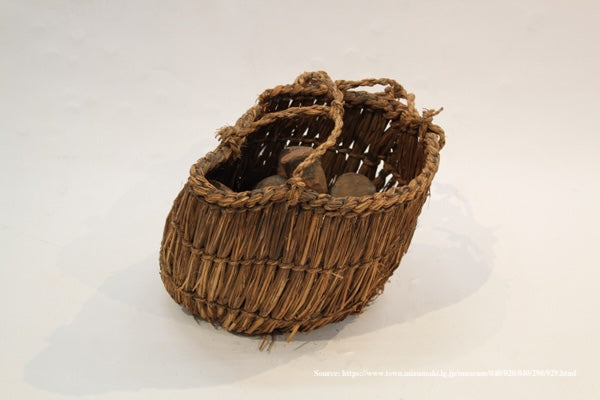
Its fibers have been woven into goza mats, cushions, and baskets used in everyday life. Because the material is durable and breathable, it was well suited to Japan’s climate.

The plant has also been used historically as a natural dye. During the Heian period, extracts from makomo were used to create the black pigment known as ohaguro, once used by aristocrats to dye their teeth, as well as pigments for cosmetics and textiles.

Another traditional material derived from the plant is makomo charcoal, which has been used for air purification, moisture absorption, and soil improvement.

Through these many uses, makomo has remained a quiet but enduring presence in Japanese cultural life.